And which one is right for your home or project?
Not all blinds are created equal. And not all blinds belong inside your home.
At Adorn, we’re often asked: “Should we go for exterior blinds or interior blinds?” The answer isn’t always obvious because both serve very different functions. Your choice should depend on your climate, space planning, and performance needs.
This guide breaks down the differences, advantages, and real-world applications of exterior vs. interior blinds, so you can make a better, more informed decision.
First: What Are Exterior Blinds?
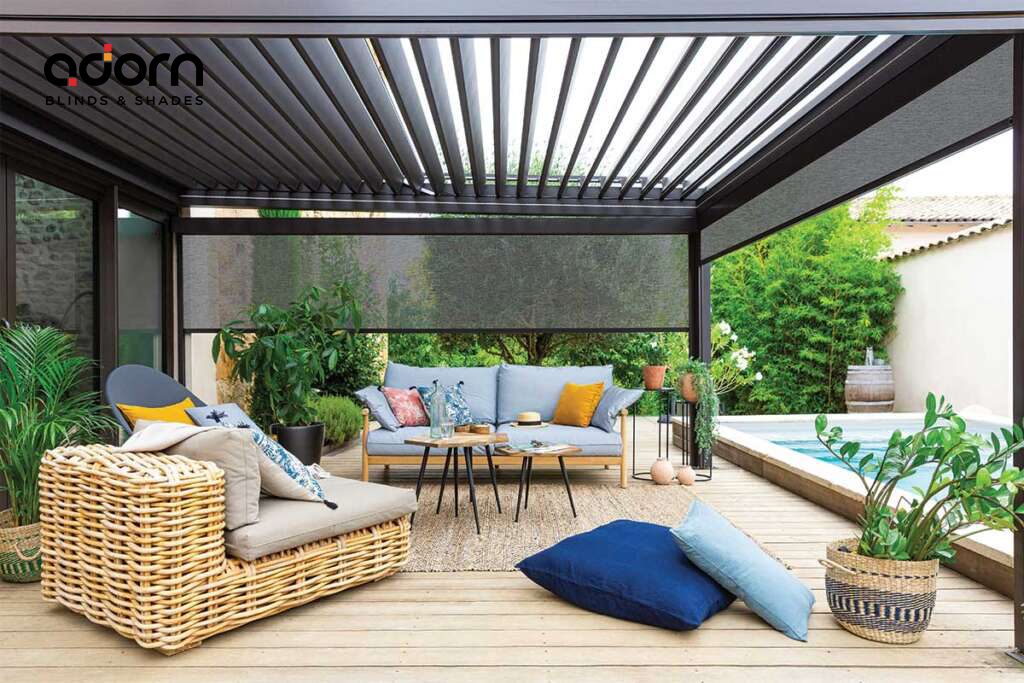
Exterior blinds are installed outside the window; typically on the façade or balcony side. They’re designed to block heat and light before it enters the room, making them incredibly effective for sun-facing homes or spaces with large glazing.
Key Features:
- Built to withstand weather (sun, wind, rain)
- Reduces indoor temperature by blocking solar radiation
- Offers privacy without compromising ventilation
Best For:
- Villas, balconies, verandas
- West- or south-facing apartments
- Skylights (Yes, skylight blinds can be exterior-mounted!)
Popular options at Adorn:
- Zip Shades (our best-selling exterior blinds system)
- Motorised outdoor rollers with UV-protect fabrics
- Custom mesh systems with wind-resistance
Next: What Are Interior Blinds?
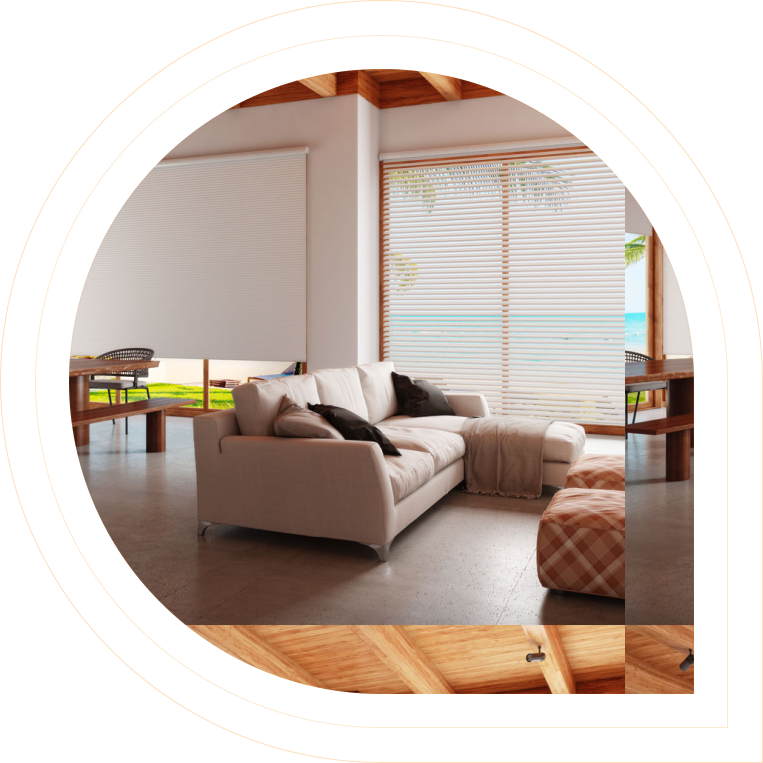
Interior blinds are fitted inside your window frame. These are the most common types and offer a range of benefits, from light filtering and privacy to aesthetic enhancement.
Key Features:
- More stylistic flexibility and finishes
- Easier to install and maintain
- Can be layered with curtains for added impact
Best For:
- Living rooms, bedrooms, kitchens, studies
- Apartments, duplexes, and urban homes
- Use with air conditioning or layered window treatments
Popular options at Adorn:
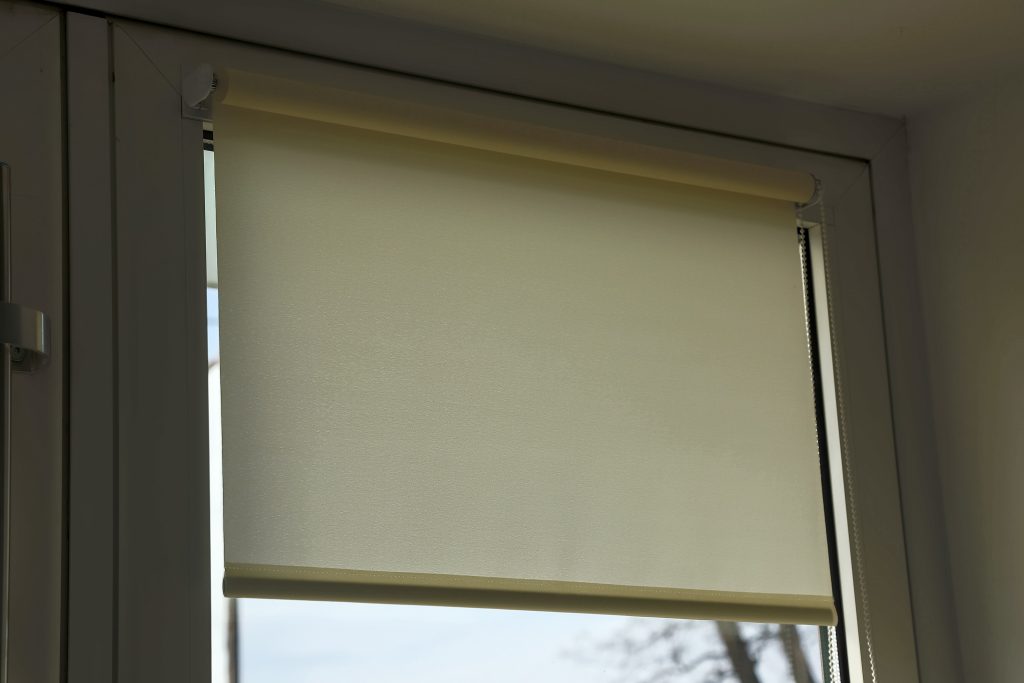
- Roller Blinds (India’s most searched blind type)
- Zebra Blinds (dual-layer light-filtering systems with a modern edge)
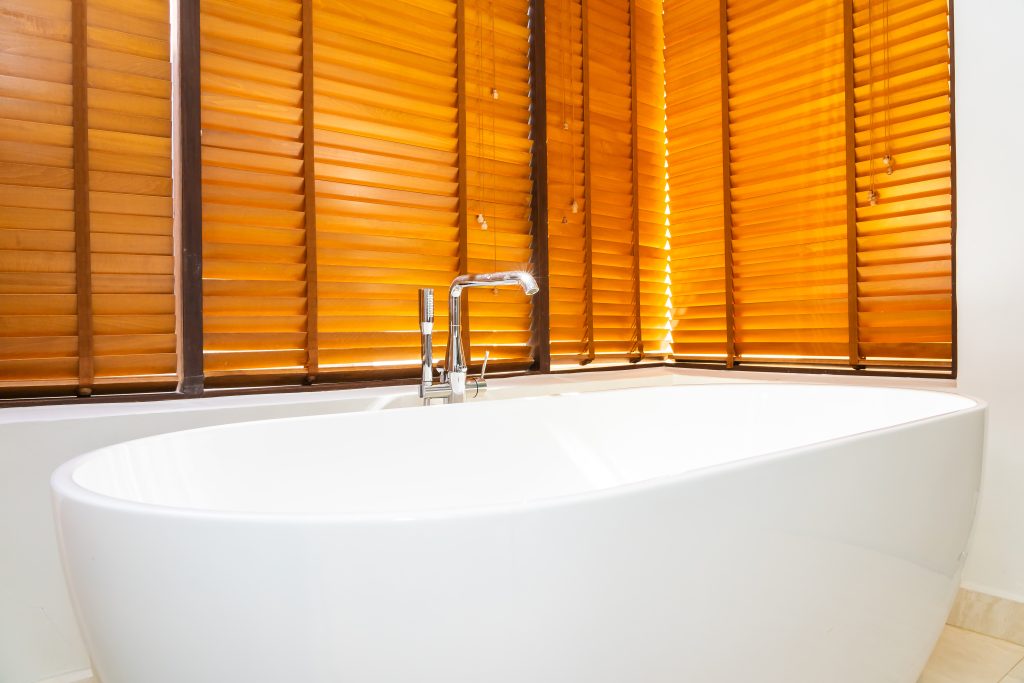
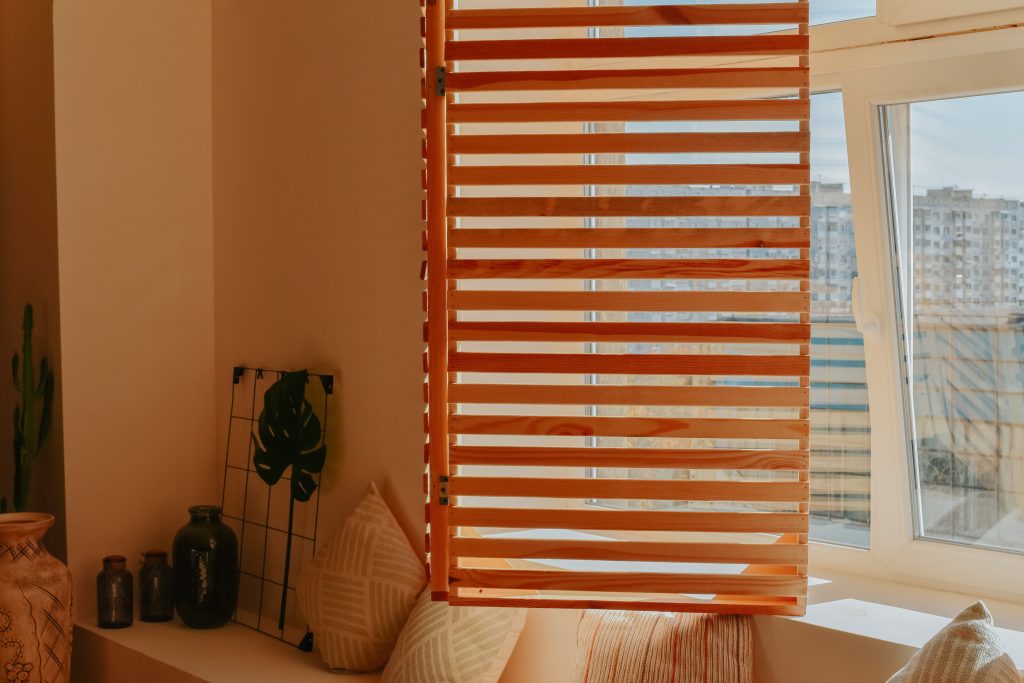
- Wooden Window Blinds (for texture, warmth, and privacy)
- Custom blinds crafted to exact dimensions and design palettes
Exterior vs Interior: What’s the Big Difference?
| Feature | Exterior Blinds | Interior Blinds |
|---|---|---|
| Primary Role | Solar protection & thermal control | Light control, privacy, aesthetics |
| Installation | On façade, balconies, pergolas | Inside window recess or wall-mounted |
| Weather Resistance | High | Moderate (indoor use only) |
| Fabric Types | UV-blocking, waterproof mesh | Decorative, blackout, sheer, textured |
| Aesthetic Role | Discreet, architectural | More expressive, customizable |
| Best for | Harsh climates, outdoor applications | Everyday use, layered interiors |
Pro Tip:
Use exterior blinds to solve for function (heat, UV, glare)
Use interior blinds to enhance form (style, softness, spatial zoning)
And in many homes, the smartest move is to combine both.
So which should you pick?
Go for exterior blinds if you’re dealing with harsh sun, large windows, or outdoor-facing rooms with heat issues.
Go for interior blinds if you’re focused on decor, want layering flexibility, or need options like roller, zebra, or wooden blinds.
Go for both if you want maximum thermal control + elevated design—perfect for premium homes, smart villas, and energy-efficient builds.
Blinds that are designed for your needs, not just your windows
Whether you’re specifying blinds for a residential tower, modern villa, or a city apartment, Adorn offers tailored solutions, from custom blinds built to spec, to high-performance materials that endure the Indian climate.
Need help choosing between interior and exterior options? Let our team recommend the right system for your orientation, architecture, and lifestyle.