Summary
Whether you live near a busy road, a construction site, or a noisy neighbourhood, unwanted sound can significantly impact your comfort and productivity. This guide covers the most effective noise-cancelling solutions, from soundproof window treatments to sound-absorbing blinds, helping you create a quieter, more peaceful space at home or in the office.
Key Takeaways
- Noise-cancelling windows can be achieved without structural changes by using the right combination of window treatments.
- Sound-absorbing blinds, particularly cellular honeycomb and acoustic roller blinds, are among the most effective and accessible solutions.
- Soundproof blinds for windows perform best when combined with heavy curtains, acoustic film, and frame sealing.
- Noise-cancelling solutions for office environments should prioritise professional aesthetics alongside acoustic performance.
- Noise reduction window treatments should be chosen based on room type, noise source, and coverage requirements.
- Soundproof window treatment effectiveness is measured in STC ratings and dB reduction. Always check specifications before purchasing.
- Leading blinds manufacturers in India now offer a growing range of acoustic window treatment options for urban homes and commercial spaces.
- A layered, multi-treatment approach consistently delivers better noise reduction than any single product alone.
Introduction
Living or working in a noisy environment is more than just an inconvenience; it affects sleep quality, concentration, and overall well-being. According to the World Health Organisation, prolonged exposure to environmental noise above 55 dB can lead to stress, sleep disturbance, and cardiovascular strain (WHO, 2018). Noise-cancelling windows and smart window treatments have emerged as practical, non-invasive solutions to address this growing problem.
From soundproof blinds for windows to layered noise reduction window treatments, there are several approaches available for both residential and commercial spaces. This blog explores the best options, helping you make an informed decision based on your noise level, budget, and interior style.
Why Windows Are the Weakest Link for Noise
Before exploring solutions, it helps to understand why windows allow so much sound to enter. Glass is a relatively poor sound insulator compared to brick or concrete walls, and even small gaps around window frames can allow significant noise transmission.
How Sound Travels Through Windows
Sound travels as vibrations through air and solid materials. Windows present multiple points of vulnerability:
- Single-pane glass: Offers minimal acoustic resistance, transmitting most external noise.
- Frame gaps and seals: Even hairline gaps significantly reduce a window’s sound insulation performance.
- Window size: Larger windows present a greater surface area for sound transmission.
- Resonance: Glass panels can vibrate at certain frequencies, amplifying specific sounds such as traffic or bass noise.
Sound Transmission Class (STC) Ratings
The STC rating measures how well a building element reduces sound. According to the Acoustical Society of America:
- STC 25: Normal speech easily heard through the barrier.
- STC 35: Loud speech audible but not intelligible.
- STC 45: Loud speech not audible; most sounds significantly reduced.
- STC 50+: Excellent sound isolation for most environments.
Standard single-pane windows achieve an STC of approximately 27, while double-glazed windows reach an STC of 28–35. Window treatments can add 3–10 STC points depending on the product.
Best Noise-Cancelling Solutions for Windows
Effective noise-cancelling solutions do not always require expensive structural changes. The right window treatment can deliver meaningful noise reduction while enhancing the look of your space.
Soundproof Window Treatments: An Overview
Soundproof window treatment options work by adding mass, density, and absorption to the window area, all of which slow and absorb sound waves before they reach the interior.
- They are non-invasive and do not require structural modifications.
- Most can be installed in existing homes, apartments, and offices.
- They combine noise reduction with light control, privacy, and thermal insulation.
- Cost-effective compared to window replacement or acoustic glazing.
Sound Absorbing Blinds: How They Work
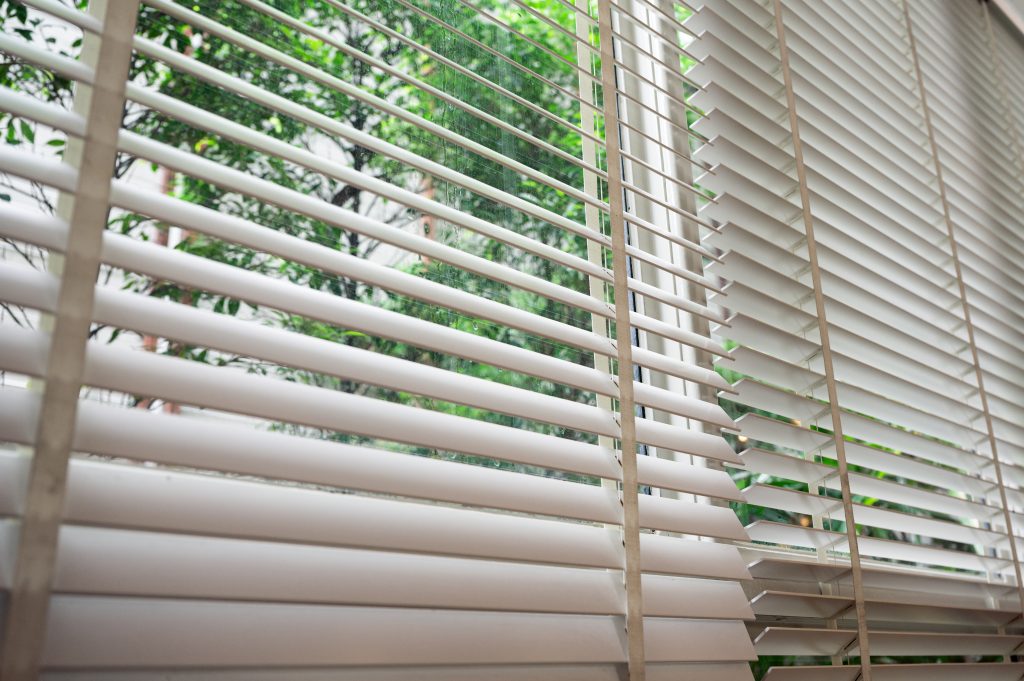
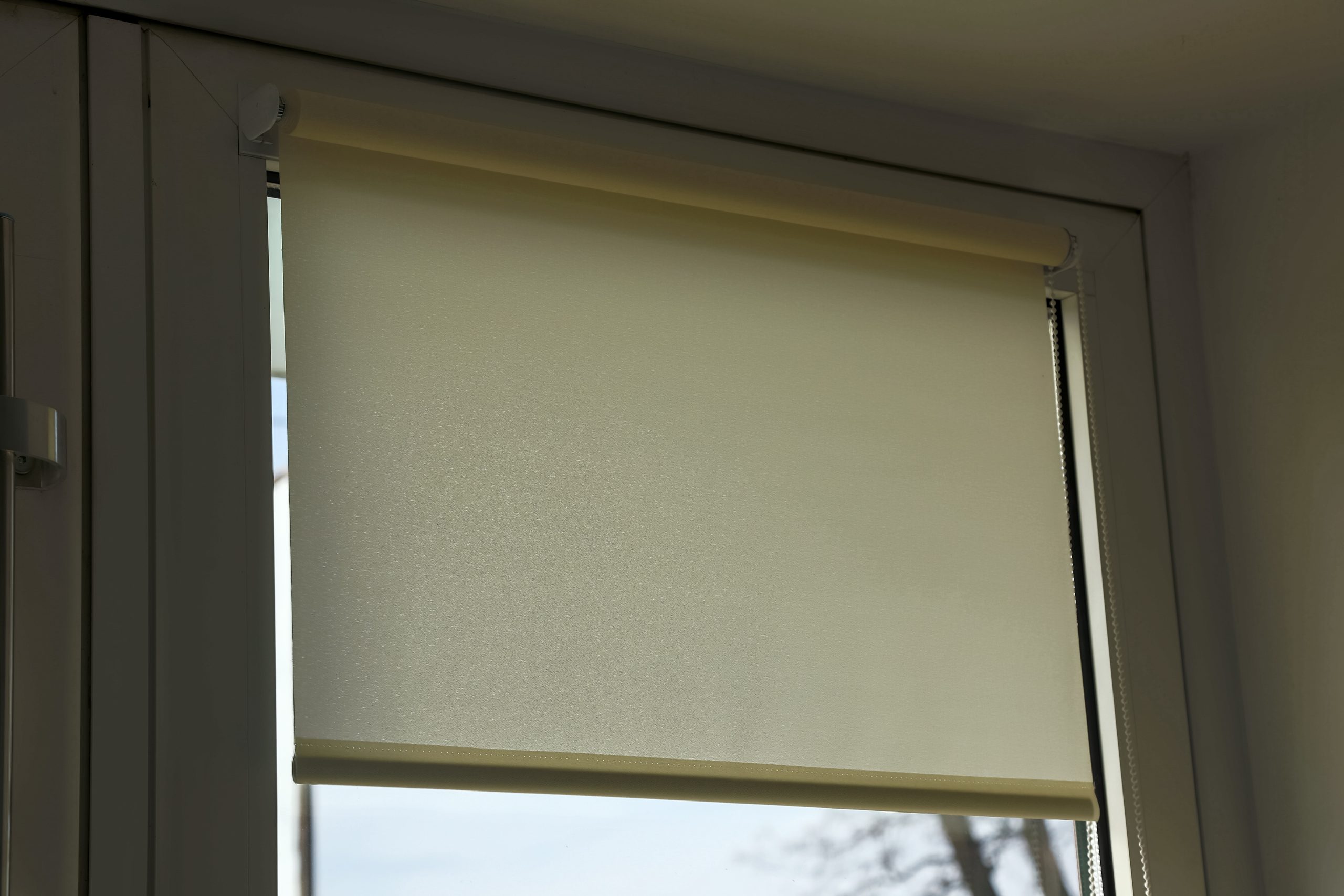
Sound-absorbing blinds are among the most popular and accessible noise-cancelling solutions available today. Unlike standard blinds that simply block light, sound-absorbing variants are manufactured using dense, layered, or cellular fabrics that trap sound waves and reduce echo.
Types of Sound Absorbing Blinds
- Cellular (honeycomb) blinds: The honeycomb cell structure traps air and absorbs sound, one of the most effective blind types for noise reduction.
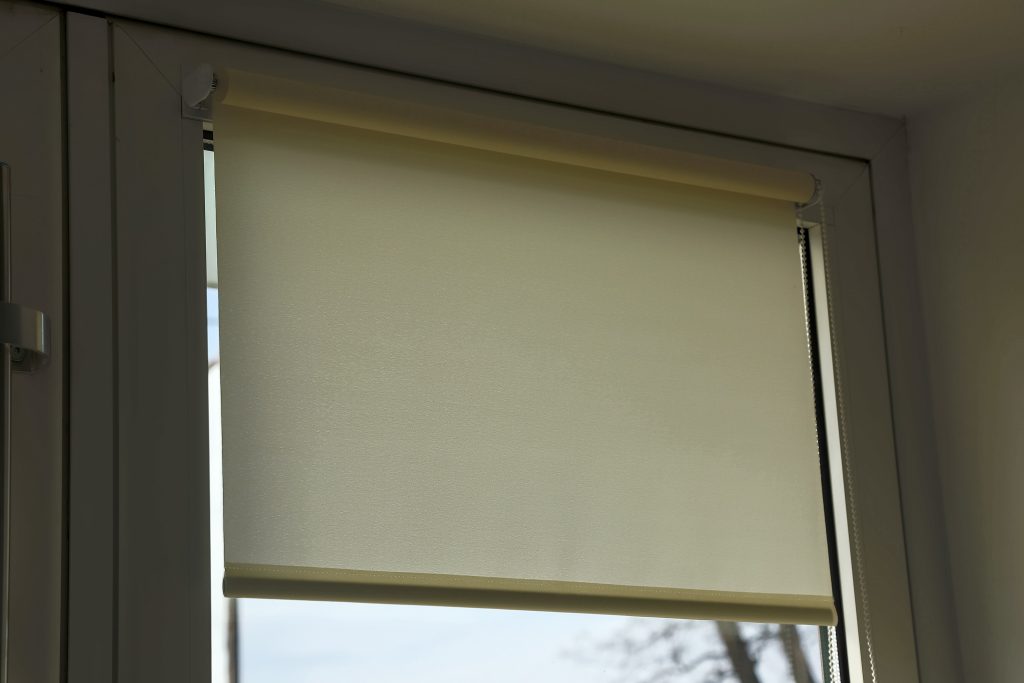
- Roller blinds with acoustic backing: A dense foam or felt backing layer adds mass, helping to dampen external noise.
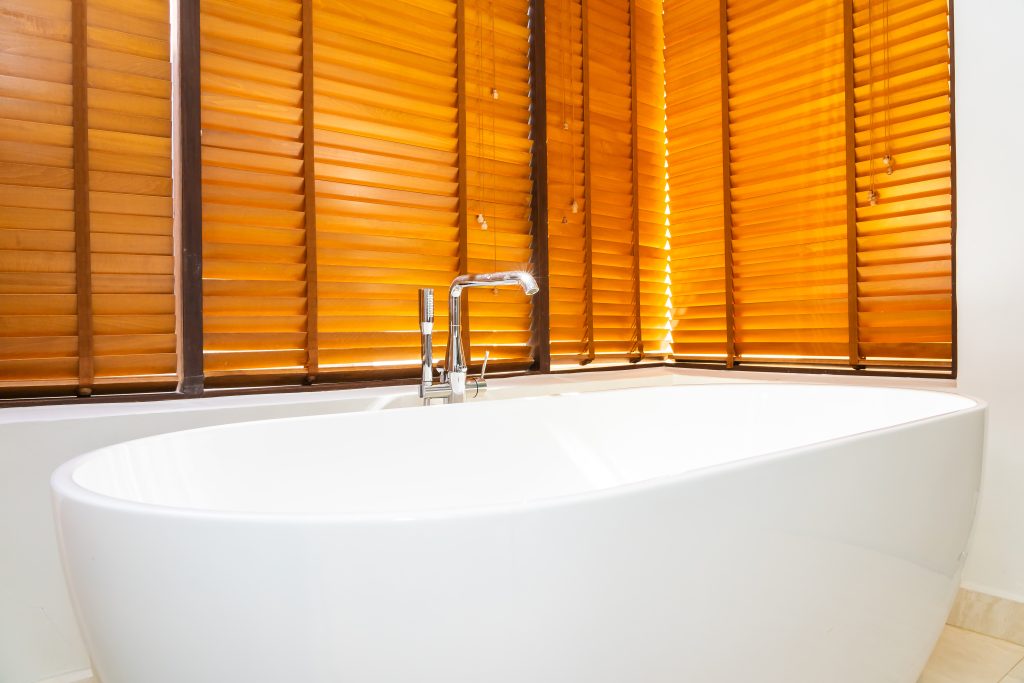
- Woven wood blinds: Natural fibres provide moderate sound absorption, particularly effective for mid-frequency sounds.
- Roman blinds with thick interlining: Multi-layered fabric construction adds both insulation and acoustic performance.
Benefits of Sound Absorbing Blinds
- Reduce noise levels by 3–8 dB, depending on material density and coverage.
- Available in a wide range of colours, textures, and opacity levels.
- Can be combined with curtains for enhanced acoustic performance.
- Dual-function: also reduces heat gain and improves energy efficiency.
Soundproof Blinds for Windows: What to Look For
Not all blinds marketed as acoustic or soundproof deliver equal performance. When selecting soundproof blinds for windows, focus on the following specifications:
Key Selection Criteria
- Fabric weight: Heavier fabrics absorb more sound; look for a fabric weight above 300 g/m².
- Cell depth: For cellular blinds, deeper cells (25 mm or more) provide better acoustic performance.
- Coverage: Blinds that extend beyond the window frame on all sides reduce sound flanking around the edges.
- Layering: Combining soundproof blinds for windows with heavy drapes or curtains significantly improves results.
- Sealing: Side channels or magnetic edge seals prevent sound from bypassing the blind through gaps.
Combining Treatments for Maximum Effect
No single window treatment eliminates noise entirely. A layered approach delivers the best results:
- Install sound-absorbing blinds as the primary treatment.
- Add floor-to-ceiling blackout curtains with dense lining over the blinds.
- Apply acoustic window film to the glass itself for added mass.
- Use draught-excluding weather stripping around the frame to close gaps.
Noise Cancelling Solutions for Office Environments
Open-plan offices and commercial spaces face unique noise challenges. Traffic noise, HVAC systems, and urban activity can disrupt concentration and reduce productivity. Noise-cancelling solutions for office spaces must balance acoustic performance with professional aesthetics and practical operation.
Best Options for Office Noise Reduction
- Motorised roller blinds with acoustic fabric: Clean, professional appearance with push-button operation, ideal for boardrooms and meeting rooms.
- Vertical blinds with dense slats: Effective for large commercial windows; individual slat adjustment allows light and privacy control.
- Zip-track blinds: The sealed edge system minimises gaps, improving both acoustic and thermal performance.
- Layered blind and curtain systems: Used in executive offices where maximum noise reduction is required.
Additional Office Noise Reduction Strategies
Window treatments work best as part of a broader acoustic strategy:
- Add acoustic ceiling panels and wall tiles to reduce internal echo.
- Use carpet or rugs to minimise sound reflection from hard floors.
- Install acoustic partitions between workstations.
- Position workstations away from windows facing high-noise streets.
Noise Reduction Window Treatments: Choosing by Space
Different spaces have different noise reduction priorities. The table below summarises the best noise reduction window treatments by room type:
- Bedroom: Cellular honeycomb blinds + blackout curtains: prioritises sleep quality and full darkness.
- Home office: Acoustic roller blinds + side-channel seals: balances noise reduction with light control for productivity.
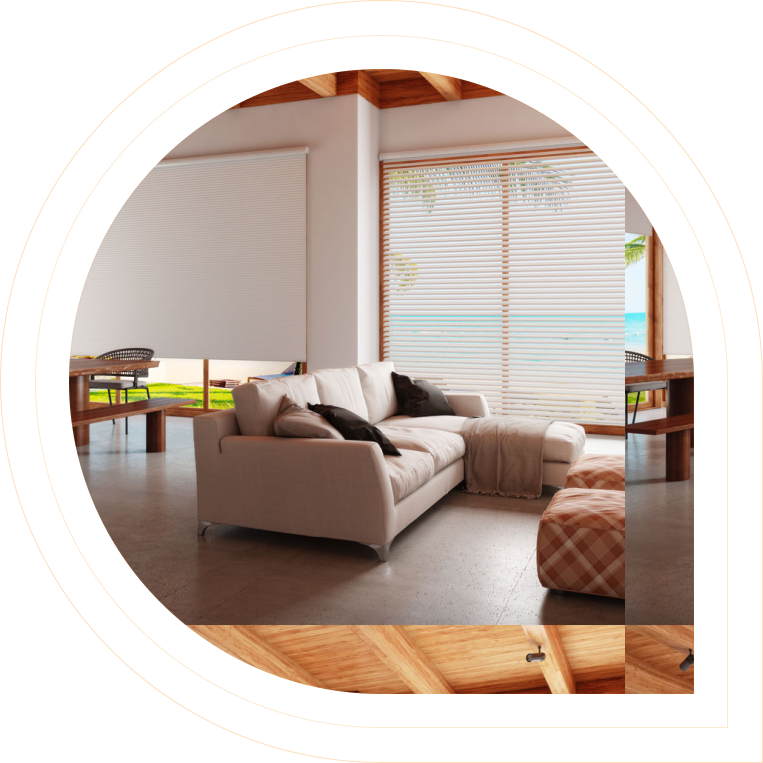
- Living room: Layered Roman blinds + sheer curtains: combines aesthetics with moderate sound dampening.
- Office/boardroom: Motorised zip-track blinds: professional look with strong acoustic and thermal performance.
- Apartment: Sound-absorbing roller blinds + weather stripping: non-invasive solution suitable for rental properties.
Adorn Blinds & Shades: Your Noise Reduction Partner
At Adorn Blinds & Shades, we specialise in high-performance window treatments designed for Indian homes, apartments, and commercial spaces. As one of the leading blinds manufacturers in India, we offer a comprehensive range of soundproof blinds for windows, cellular acoustic blinds, and motorised systems tailored to your specific noise environment.
Our in-house design team works with you to select the right fabric weight, cell depth, and installation configuration to achieve meaningful noise reduction without compromising on style. Whether you need noise-cancelling solutions for office spaces or a quieter bedroom in a busy city, Adorn Blinds & Shades delivers expert guidance and precision-manufactured products built to last.
Also Read: How to Choose the Right Blinds for Your Office
Conclusion
Unwanted noise is one of the most underrated threats to comfort, productivity, and health in modern urban living. Fortunately, noise-cancelling solutions have advanced significantly, and noise-cancelling windows are now achievable through smart window treatment choices rather than expensive structural upgrades. By selecting the right soundproof blinds for windows, layering treatments strategically, and sealing frame gaps, you can dramatically reduce noise intrusion in any room. Adorn Blinds & Shades offers the expertise and product range to help you find your ideal solution.