
Summary
Monsoon season can turn your beautiful balcony into an unusable, waterlogged space. This guide explores the best balcony rain protection ideas, from monsoon blinds and waterproof solutions to rainwater protection for windows and balconies, helping you make the most of your outdoor space all year round.
Key Takeaways
- Balcony rain protection is essential for preventing structural damage, mould growth, and furniture deterioration during the monsoon season.
- Monsoon blinds for balcony spaces, particularly zip-track systems, offer the most comprehensive protection against heavy rain and wind.
- Waterproof blinds for windows complement balcony solutions by preventing wind-driven rain from entering interior spaces.
- Apartment balcony rain protection requires solutions that comply with body corporate rules; transparent PVC blinds and ceiling-mounted rollers are popular choices.
- Rainwater protection for balcony areas should account for balcony orientation, local rainfall intensity, and material durability.
- Window rain protection is best achieved with waterproof roller blinds, zip-track systems, or a combination of architectural overhangs and quality weather stripping.
- Professional installation is recommended for motorised and zip-track monsoon blind systems to ensure a fully watertight result.
- Regular maintenance, including fabric cleaning and hardware lubrication, extends the service life of all rain protection products significantly.
Introduction
Monsoon season brings with it a refreshing change, but for balcony owners, it often means dealing with water damage, ruined furniture, and an unusable outdoor space. Whether you live in a high-rise apartment or a ground-floor home, investing in smart balcony rain protection is essential for maintaining comfort and protecting your interiors.
From heavy-duty monsoon blinds for balcony spaces to innovative waterproof blinds for windows, today’s market offers a wide range of solutions that combine functionality with aesthetics. In this blog, we explore the most effective balcony rain protection ideas, explain how these solutions work, and help you choose the right option for your space.
Why Balcony Rain Protection Is Important During Monsoon
Without proper rainwater protection for balcony areas, the consequences can be both costly and inconvenient. Understanding the impact of rain exposure is the first step to finding the right solution.
Common Problems Caused by Unprotected Balconies
Exposure to monsoon rains causes a range of issues that go beyond a wet floor:
- Structural damage: Waterlogging leads to seepage, paint peeling, and long-term structural degradation.
- Furniture damage: Outdoor furniture, cushions, and decor items deteriorate rapidly when wet.
- Slip and fall hazards: Wet balcony floors become dangerously slippery, especially for children and the elderly.
- Mold and mildew growth: Persistent moisture promotes mold, impacting indoor air quality.
- Water ingress into rooms: Wind-driven rain can enter through windows and doors, damaging flooring and walls.
Benefits of Investing in Rain Protection Solutions
Proactive balcony rain water protection delivers tangible long-term benefits:
- Extends the lifespan of balcony furniture and fixtures.
- Maintains a usable outdoor living area during monsoon season.
- Reduces humidity and moisture entering the home.
- Enhances the overall aesthetic appeal of the balcony.
- Adds value to the property.
Top Balcony Rain Protection Ideas for Homes & Apartments
There are several practical and stylish balcony rain protection ideas available today. The right solution depends on your balcony size, budget, aesthetic preferences, and the intensity of local rainfall.
1. Monsoon Blinds for Balcony
Monsoon blinds for balcony spaces are one of the most versatile and popular rain protection solutions available. They act as a flexible barrier that can be rolled up or down as needed.
- Material: Typically made from PVC, mesh, or UV-resistant fabric.
- Functionality: Can be fully closed during rain and opened for ventilation in fair weather.
- Customisation: Available in transparent, semi-transparent, and opaque options.
- Installation: Can be mounted on wall brackets or ceiling-mounted tracking systems.
- Best for: Apartments, villas, and commercial spaces with open balconies.
2. Waterproof Blinds for Windows and Balcony Openings
Waterproof blinds for windows are a natural extension of balcony rain protection. These blinds are specifically engineered to repel water, resist UV rays, and withstand strong winds.
- Material: Coated polyester, PVC-laminated fabric, or marine-grade vinyl.
- Water resistance rating: Look for blinds with a minimum 1,000 mm hydrostatic head rating for heavy monsoon use.
- UV protection: Many offer 80–95% UV blockage, reducing heat gain indoors.
- Design options: Roller blinds, zip-track systems, and Roman-style blinds.
3. Transparent PVC Curtains
Clear PVC curtains are an affordable and effective form of apartment balcony rain protection, particularly for those who want to preserve views while blocking the elements.
- Thickness typically ranges from 0.3 mm to 1.0 mm.
- Available in single-panel or multi-panel configurations.
- Resistant to cracking, yellowing, and mould.
- Easy to clean with a damp cloth.
4. Polycarbonate or Glass Enclosures
For permanent rainwater protection for balcony areas, polycarbonate sheets or glass panels offer a robust structural solution.
- Provides complete protection from rain, wind, and dust.
- Ideal for larger balconies or covered terraces.
- Can be fixed or operable with sliding panels.
- Higher upfront cost but delivers long-term value.
5.Retractable Awnings and Canopies
Retractable awnings are another strong option for balcony rainwater protection, particularly for those who want flexibility without permanent fixtures.
- Available in manual and motorised versions.
- Fabric options include acrylic, polyester, and vinyl-coated materials.
- Can be extended during rain or retracted on sunny days.
- Motorised versions often include wind and rain sensors for automated operation.
Window Rain Protection: Safeguarding Your Interiors
While balcony blinds protect outdoor spaces, window rain protection is equally critical for preventing water ingress into your living areas. Wind-driven rain can seep through window frames, gaps, and inadequate coverings, causing significant interior damage.
Effective Rain Water Protection for Windows
Rainwater protection for windows involves a combination of physical barriers and smart product choices:
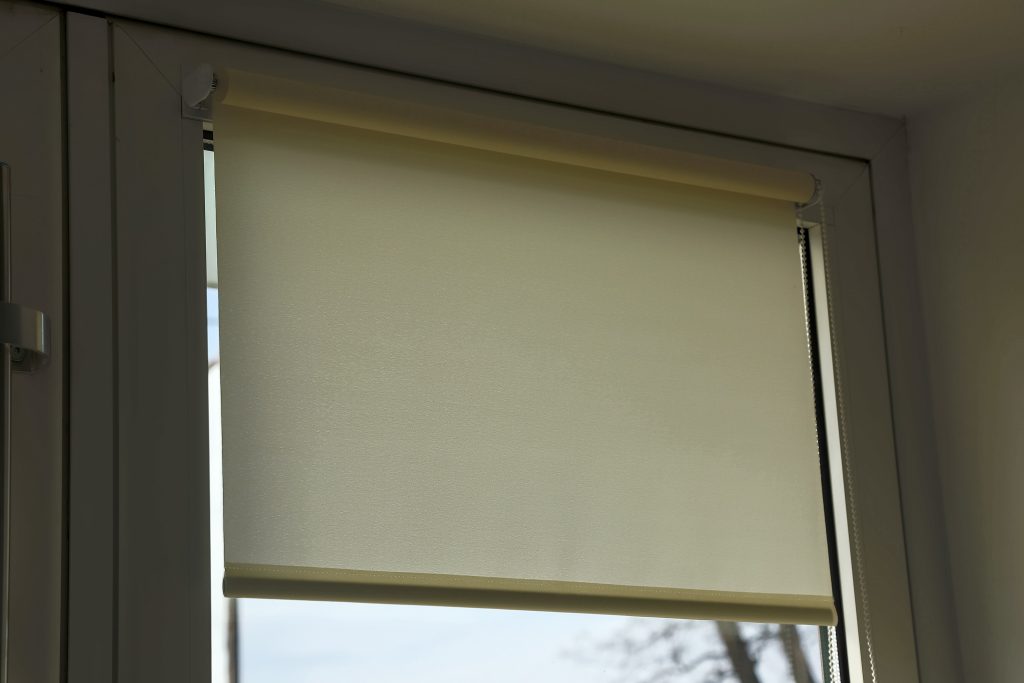
- Waterproof roller blinds: Installed inside or outside the window frame, these create a water-resistant seal when closed.
- External zip-track blinds: The zip mechanism creates a tight seal on both sides, preventing wind-driven rain from penetrating.
- Weather stripping: Applied around window frames to eliminate gaps where water can enter.
- Window overhangs and hoods: Architectural additions that deflect rainfall away from the window face.
- Waterproof interior blinds: Useful for windows in bathrooms, kitchens, and laundry areas that experience high moisture.
Choosing the Right Waterproof Blinds for Windows
When selecting waterproof blinds for windows, consider the following factors:
- Exposure level: North and east-facing windows typically receive less direct rain than south and west-facing ones.
- Frame material: Aluminium or uPVC frames work best with external waterproof blinds.
- Opacity: Choose from blackout, light-filtering, or transparent based on your privacy and lighting needs.
- Motorisation: Motorised blinds that respond to rain sensors offer the most convenient protection.
- Colour and finish: Opt for UV-stable colours that won’t fade or degrade under monsoon sun and rain cycles.
Monsoon Blinds: Features, Types, and Applications
Monsoon blinds are purpose-built outdoor blinds designed to handle the unique demands of heavy rainfall, strong winds, and high humidity. They have become a go-to solution for both residential and commercial properties across monsoon-prone regions.
Key Features of Monsoon Blinds
Quality monsoon blinds are engineered with specific features that set them apart from standard outdoor blinds:
- Waterproof material: PVC-coated polyester or vinyl fabric that repels water entirely.
- Rust-resistant hardware: Stainless steel or powder-coated aluminium fittings that withstand constant moisture.
- Wind resistance: Zip-track or guide wire systems that keep the blind taut in strong winds (rated up to 100 km/h in some products).
- UV protection: Fabric with a UPF rating of 50+ to block harmful UV rays.
- Ease of operation: Manual or motorised options, with remote-control and smart-home integration available.
Types of Monsoon Blinds
Different types of monsoon blinds for balcony applications are available to suit varying needs:
- Zip-track monsoon blinds: The zip channel runs along both sides and base, creating an airtight and watertight seal ideal for maximum protection.
- Roller monsoon blinds: Standard roller mechanism with waterproof fabric suitable for lighter monsoon conditions.
- PVC strip curtains: Overlapping strips of heavy PVC providing flexible, low-cost coverage.
- Motorised monsoon blinds: Automated systems with sensors that can automatically deploy when rain is detected.
Applications of Monsoon Blinds
Monsoon blinds are highly versatile and can be used across a wide range of settings:
- Residential balconies: Apartment and villa balconies benefit enormously from a set of monsoon blinds for balcony protection.
- Restaurant and café verandahs: Outdoor dining spaces can remain open even during rain showers.
- Office terraces: Protect outdoor breakout areas in commercial buildings.
- Retail shopfronts: Prevent rain from entering open shopfronts.
- Poolside areas: Protect pool furniture and equipment from monsoon damage.
Apartment Balcony Rain Protection: Special Considerations
Apartment balcony rain protection comes with specific challenges, including building regulations, shared wall constraints, and limited structural options. However, a range of flexible solutions makes it entirely feasible.
Challenges Specific to Apartment Balconies
- Body corporate or strata regulations may restrict permanent fixtures.
- Shared walls limit the type of anchoring available.
- High-rise apartments face heavier wind-driven rain than ground-level homes.
- Limited floor space requires compact, efficient solutions.
Best Solutions for Apartment Balconies
For apartment balcony rain protection, the following solutions work within typical building restrictions:
- Freestanding or ceiling-mounted roller blinds: Require minimal structural intervention and can often be installed without landlord approval.
- Clear PVC zip blinds: Offer strong protection and a clean look without altering the balcony’s original structure.
- Tension-mounted awning systems: Utilise existing balcony rails and posts for support.
- Removable waterproof curtain panels: A cost-effective, non-permanent option ideal for renters.
Tips for Choosing a Solution in Apartments
- Check your strata or building management rules before installation.
- Opt for solutions that do not penetrate the balcony slab or parapet.
- Choose wind-rated products if you are above the 5th floor.
- Transparent or mesh options maintain natural light and an open feel.
How to Choose the Right Rain Protection Solution
Selecting the best balcony rain protection or window rain protection solution requires careful evaluation of several factors. There is no one-size-fits-all answer; the ideal product depends on your specific circumstances.
Key Factors to Consider
- Rainfall intensity: Assess the average annual rainfall and the likelihood of cyclone-force winds in your region.
- Balcony orientation: The direction your balcony faces determine the intensity of wind-driven rain exposure.
- Privacy requirements: Opaque blinds offer privacy; transparent options preserve views.
- Aesthetic preferences: Match the blind material, colour, and style with your home’s exterior design language.
- Budget: Costs range from affordable PVC curtains to premium motorised zip-track systems.
- Maintenance: Consider how easy the product is to clean and whether it requires professional servicing.
Steps for Installation
- Measure your balcony opening accurately (height, width, and depth).
- Check for any overhead obstacles, electrical fittings, or air conditioning units.
- Select the appropriate product type and material for your climate zone.
- Engage a professional installer to ensure correct anchoring and water-tight fitting.
- Test the blind in both open and closed positions before the monsoon season begins.
- Conduct seasonal maintenance, including cleaning, lubrication of tracks, and fabric inspection.
How Adorn Blinds & Shades Can Help
At Adorn Blinds & Shades, we understand that every balcony and window is unique. Our range of outdoor blinds and waterproof solutions is designed to provide reliable balcony rain protection without compromising on style or functionality.
We offer a carefully curated selection of monsoon blinds for balcony spaces, waterproof blinds for windows, and custom solutions for both residential and commercial clients. Our expert team can assess your space, recommend the most appropriate product, and ensure professional installation that stands up to monsoon conditions.
Also Read: How Waterproof Roller Blinds Protect Your Balcony During Monsoon
Conclusion
A well-protected balcony does not have to mean a closed-off or visually unappealing space. With the right balcony rain protection ideas, from high-performance monsoon blinds to sleek waterproof blinds for windows, you can enjoy your outdoor space through every season. The key is to choose a solution that balances protection, aesthetics, and practicality for your specific home environment.
Whether you are seeking apartment balcony rain protection, comprehensive rainwater protection for windows, or premium monsoon blinds for balcony installation, Adorn Blinds & Shades has the expertise and product range to help you find the perfect fit.