The first step to getting the right blinds for windows is taking the correct measurements. Even the best-looking blinds will appear uneven and work improperly if the size is wrong. This is why you need to learn how to measure for blinds before buying blinds. This guide will also help you to upgrade your home décor to a more modern look. With the help of a proper blind measuring guide, you will also create a clean look and have the best control over how the light in your home will be. There is a different procedure for different styles of blind mounts, like inside mounts and outside mounts. This guide will show you step by step how to measure blinds so you will have the best window blind measurements.
Importance of Accurate Measurements
Precision is very important when you are installing blinds for windows. Incorrect blind measurements will result in the following:
- Gaps allowing light to enter
- Difficult Operations
- Lack of aesthetic appeal
- Increased wear and tear
Taking time for proper measuring for blinds ensures a polished look and smooth functionality.
Materials Needed
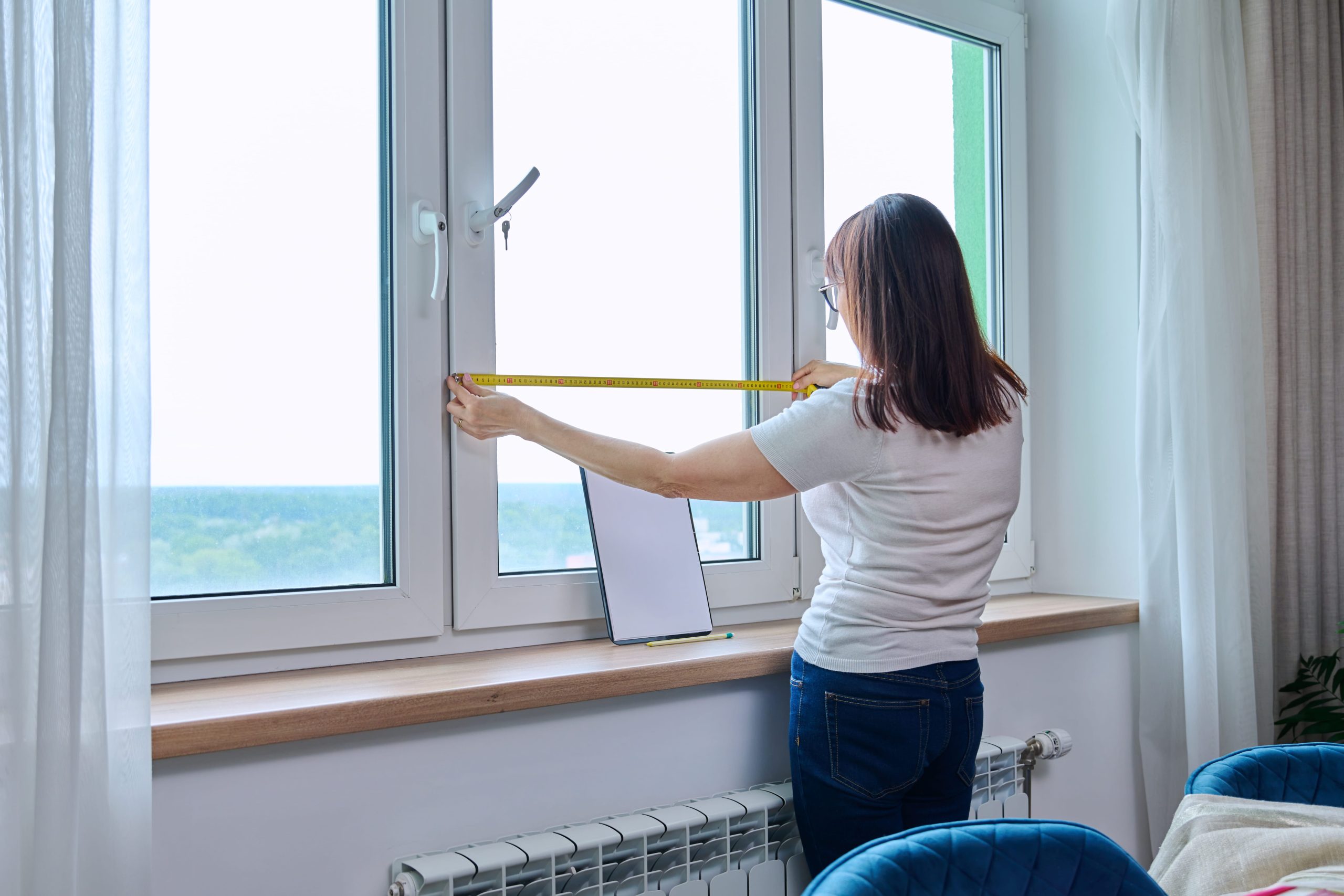
Before beginning measurements for windows for shutters, you will need to prepare the following:
- Steel measuring tape (for best accuracy)
- Pencil & notepad
- Step Ladder (for high windows)
- Level (for an addition to accuracy)
Measuring with fabric measuring tapes is not recommended due to the possibility of stretching that occurs with fabric measuring tapes.
Types of Blind Mounts
The various types of mountings are helpful to know before learning the correct way to measure blinds.
1. Inside Mount
The cleanest and most minimalistic option is to have the blinds installed inside the window frame.
2. Outside Mount
The back of the frame blinds are installed. This is an option for those wanting to cover more space and control light more.
Different types of mounts require different window measurements for blinds.
Measuring for Inside Mount Blinds
Step 1: Measure Width
Use the top, middle, and bottom measurements; the smallest is the most and best for correct window blinds measurements.
Step 2: Measure Height
Use left, middle, and right measurements. The longest is best to be sure you have full coverage.
Step 3: Measure Depth
Checking the depth of the frame is crucial to determine blindness.
Following these steps will help you achieve perfect-fit blinds.
Beginner’s Guide for Measuring Outside Mount Blinds
Step 1: Width
For optimal light blockage, add extra width to your measurement (most commonly 2–4 inches on either end).
Step 2: Height
From your top mounting point, measure down to where you want your blinds to hang.
Step 3: Overlap
For enhanced privacy, you want to ensure you have sufficient overlap.
For measuring tips for blinds for light blockage, this is a great technique.
Measuring for Roman Blinds
Measuring for Roman blinds is a meticulous process, especially since they are fabric-based.
Steps:
- Depending on the mounting type, measure the width and height
- Account for extra space where the fabric will stack on top of itself
- The height of the blinds will need to factor in the folds of the fabric
Accuracy is crucial for your roman blind measurements if you want a clean and streamlined look.
Measurement Mistakes to Avoid
Even the most minor measuring errors with blinds can result in an undesired outcome.
Common Mistakes:
- Rounding off your measurements
- Measuring something just once
- Not accounting for irregularities in the window
- Using the wrong measuring tool
Measuring your windows for blinds is a process that should be done carefully and repeatedly.
Blind Measuring Guide for Various Window Types
1. Standard Windows
Follow the standard inside and outside mount measurements.
2. Bay Windows
You have to measure each section separately for a more accurate fit.
3. Sliding Doors
Considering an outside mount can provide better coverage.
4. Large Windows
Motorised blinds are also a good option to consider for ease.
This blind measuring guide adjusts to different window types.
Tips for Perfect Fit Blinds
- Measure each window individually
- For more accurate measurements, record in millimetres
- For more accurate measurements, record in millimeters
- Measure width before height always
- Check all measurements again
These tips ensure that perfect-fit blinds are measured correctly.
How to Choose the Right Blinds After Measuring
Now that you have your window blind measurements, consider the following:
- Choose a style that fits the type of room
- Choose a material that fits the environment
- Choose a colour that fits the décor.
With accurate measuring for window shades, the selection process is simplified.
Why Professional Measurement May Help
Even though DIY measurements are possible, professionals do:
- More accuracy
- Better Fit
- Time efficient
This is particularly helpful for more complicated blind installations for windows.
Relatable Insight: Why Homeowners Often Get It Wrong
Most assume measuring is easy, but home improvement research shows poor measuring for blinds is a leading cause of returns and replacements. Following a simple blind measuring guide can save time and money.
Read Also : Different Types of Window Blinds to Enhance the Beauty of Your Home and Office
Conclusion
The measuring process is more than just a simple requirement; it is the most important part of fitting a treatment. Knowing how to measure for blinds and using a blind measuring guide can make all the difference. No matter whether the windows are standard or custom, it is the window blind measurements that make the difference.
All the steps involved in the process, from measuring for roman blinds to choosing the right mount, will help you achieve a modern look. When it comes to the blinds for windows, you will have a lot of options to choose from to ensure you get the right look and the best light and privacy control.