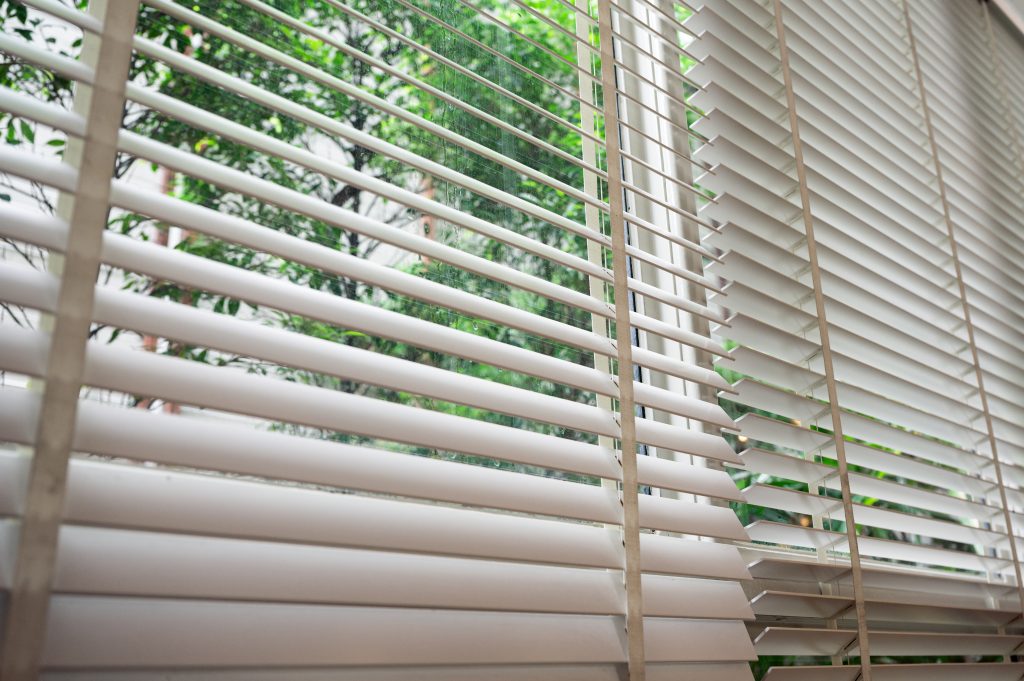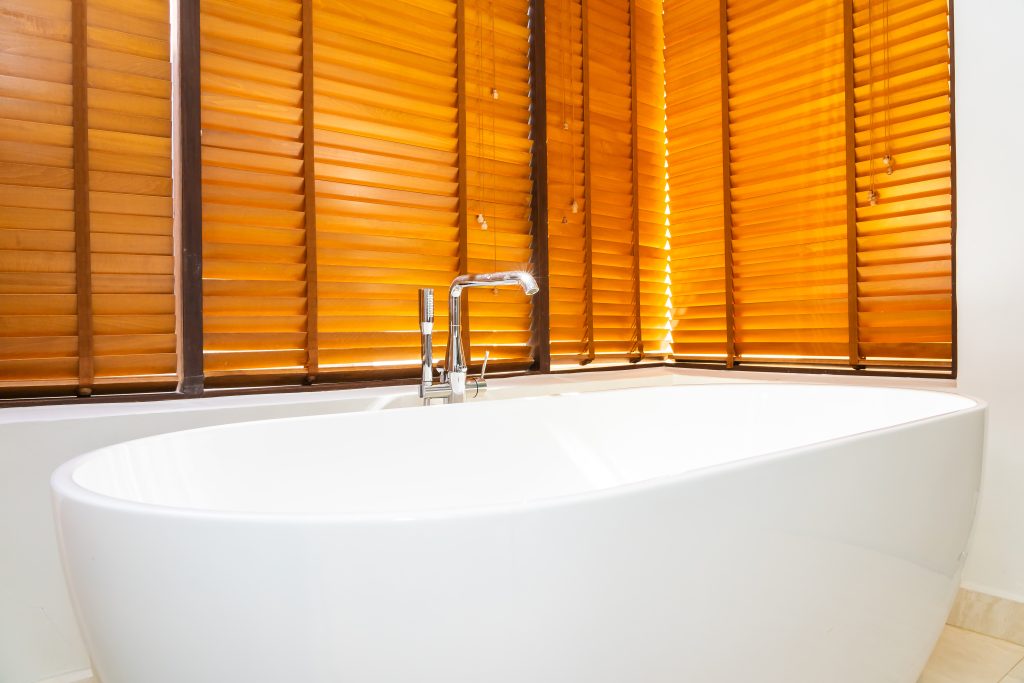
Window blinds do far more than just light control. They elevate your interiors, enhance privacy, and create a cohesive, stylish look across your home. Among the many window treatment options available today, wooden blinds and faux wood blinds are among the top choices for homeowners who want both beauty and functionality. While both offer a timeless and elegant appearance, they differ in material, durability, maintenance, performance, and price. Understanding the difference between faux wood and wooden blinds helps you make an informed choice based on your home’s climate, environmental friendliness, aesthetic preferences, and budget.
This wooden vs faux wood blinds comparison and contrasts all hold one question above the rest: Which is better, real wood or faux wood blinds? The answer to that question is crucial as you make your decision to fit them in each of the different rooms. The goal of the complete guide is to make your life easier.
At Adorn Blinds & Shades, we take pride in being one of the leading blind manufacturers in India, offering thoughtfully crafted window treatments designed for Indian homes and climatic conditions. Our mission is to deliver products that seamlessly balance style, functionality, privacy, and long-lasting performance. Every blind we create is built with precision, high-quality materials, and a commitment to elevating your interiors. We will take you through this write-up to help you understand the difference between wood blinds and faux wood blinds, specifically.
First, let’s understand the product line that we offer.
Our Product Line Includes:
- Wooden Blinds
- Cellular or Honeycomb Blinds
- Skylight Blinds
- Roller Blinds
- Zebra Blinds or Sonatine Blinds
- Roman Shades
- Smart Curtains
- Printed Blinds
- Solarette Blinds
- Pergola and Louvers
- All-weather Blinds
- Zip Shades
- PVC Blinds
So, if you’re looking for the timeless appeal and practicality of real wood, our bespoke wooden blinds are designed to complement every room. At Adorn Blinds & Shades, we don’t just make window coverings. We create design elements that add comfort, beauty, and sophistication to your home. Now, we will keep our pointers limited to only two categories that are in question here.
What Are Real Wood Blinds?
Real wood blinds are made of hardwoods like basswood, cedar, oak, and bamboo. These blinds provide a level of sophistication to home interiors as no synthetic material can replicate their unique texture, warmth, and beauty. Wood blinds are made from natural materials and are smooth to operate, making them preferable over wood.
Key Features of Wooden Blinds
- Warmth and elegance from the natural wood grain.
- Lightweight, making them easy to lift.
- Multiple stains, finishes, and paint colours available.
- Great insulation and energy efficient.
- Perfect for interiors of living rooms, bedrooms, offices, and other dry areas.
These wood blinds have the luxury and timeless charm that goes well with interiors, regardless of the design.
What Are Faux Wood Blinds?
Faux wood blinds are made of PVC, vinyl, or composite materials that are made to look like wood. Faux wood purchases look like wooden blinds, but they are preferable only for those with a tighter budget. Faux wood also has more moisture resistance, making it an excellent option for areas like the bathroom or kitchen.
Faux Wood Blinds
- Makes steam, splashes, and humidity a non-issue.
- More affordable than actual wood.
- Excellent durability with very little upkeep.
- Want the look of wood? We painted the pattern right on.
- Great for environments with a lot of moisture.
Faux wood blinds are usually the favourite option of homeowners who want the look of natural wood, but at a more affordable price.
Faux Wood vs Wood Blinds
Multiple factors lead to the faux wood vs wooden blinds dilemma. From looks to longevity to upkeep and price, we’ve compiled it all to ease your decision on wooden vs faux wood blinds.
1. Looks and Style
- Wooden Blinds: True to its name, these are the real deal. Unparalleled class and elegance will elevate any decor, be it traditional or modern.
- Faux Wood Blinds: Printed to give the appearance of real wood. While many think these look very convincing, they do tend to miss the authenticity.
Verdict:
Wooden blinds are the obvious choice if you want things to be more grand.
2. Durability & Moisture Performance
-
Wooden Blinds:
Susceptible to damage like warping, cracking, or swelling when exposed to moisture or humidity. Not recommended for kitchens or bathrooms.
-
Faux Wood Blinds:
Highly resistant to moisture, heat, and humidity. Perfect for wet spaces and coastal climates.
Verdict:
Choose faux wood blinds for moisture-prone environments.
3. Weight and Ease of Operation
-
Wooden Blinds:
Lightweight and easier to lift, tilt, and pull up, especially beneficial for tall or wide windows.
-
Faux Wood Blinds:
Heavier due to composite materials, which may slightly make them feel harder to operate on larger windows.
Verdict:
Choose real wood blinds for large windows requiring frequent adjustment.
4. Maintenance and Cleaning
-
Real Wood Blinds:
Need gentle cleaning and occasional polishing to preserve the wood.
-
Faux Wood Blinds:
Extremely easy to maintain, as it will be done with just a wipe with a damp cloth. They are ideal for homes needing window treatments with low maintenance.
Verdict:
Choose faux wood if you prefer minimal upkeep.
5. Sun Exposure and Heat Resistance
-
Real Wood Blinds:
Naturally resistant to heat and less likely to fade with direct sunlight.
-
Faux Wood Blinds:
May fade and discolour over time if exposed to wear and tear, although new styles have come to market to address this problem.
Verdict:
Choose wooden blinds when placing blinds in rooms exposed to sunlight.
6. Insulation and Energy Efficiency
Both types offer varying amounts of insulation; however, natural wood blinds have more thermal properties and are more energy efficient.
Verdict:
Real wood blinds are more energy efficient.
7. Customisation Options
-
Wooden blinds:
Available in a greater selection of different types of stains, polishes, and finishes.
-
Faux wood blinds:
Limited to colours and textures of their choosing.
Verdict:
Go with wooden blinds if you prefer more customised options to suit your style.
8. Price and Budget Considerations
-
Real Wood Blinds:
They are one of the most expensive options.
-
Faux Wood Blinds:
One of the least expensive options, and it still looks good.
Verdict:
Go with faux wood blinds if you are on a budget.
The table below shows the difference between faux wood and wood blinds to help you quickly and easily figure out what fits your space the best.
| Feature | Real Wood Blinds | Faux Wood Blinds |
|---|---|---|
| Material | Natural hardwood | PVC/Composite |
| Moisture Resistance | Low | High |
| Weight | Lightweight | Heavy |
| Maintenance | Moderate | Very easy |
| Customization | High | Medium |
| Aesthetic | Premium, natural | Similar look, less depth |
| Price | Higher | Lower |
Real Wood vs Faux Wood Blinds: What to Consider?
Your final decision should depend on your priorities.
Choose Real Wood Blinds if
- You want the richest and most natural aesthetic
- You prefer lightweight, easy-to-operate blinds
- Your room is a dry area like a bedroom, living room, or office
- You want long-term durability in a controlled environment
- You prefer eco-friendly natural materials
For those who want a more economical option, choose Faux Wood Blinds if
- You’re furnishing an outdoor area, bathroom, or humid environment
- You want a cost-effective alternative
- You prefer little to no maintenance
- You live in a coastal or high-humidity region
Both wood and faux wood blinds are good options depending on your usage, environmental conditions, and budget.
Also Read: Room-Specific Blind Selection
Conclusion
Real wood blinds and faux wood blinds both provide advantages for the home in their own way. So, to conclude, we will say that if design authenticity and natural beauty appeal the most, wood blinds will work best for you. And if you are looking for a wood-like aesthetic for a moisture-prone environment, then faux wood blinds have more benefits for you. Ultimately, deciding between wooden or faux wood blinds is a personal style, room condition, and budget choice, but both options boost the beauty and functionality of the interiors. Contact us at Adorn Blinds & Shades if you want to understand more about wooden blinds and faux wood blinds, and the choice that will suit your home.