Think about the last five places you have been to of late. Offices. Homes. Commercial establishments… and think about one thing which is different than it was five years ago.
Any guesses?
Well, curtains just aren’t the default anymore. Curtains haven’t disappeared, of course, but blinds have become a more popular choice for those looking to bring a tidier, more contemporary, and a little more intentional look to their spaces.
Still, the real story here isn’t about the style revolution, but what blinds are made of. People don’t always think about this part, being more focused on the obvious – colours and patterns and if it matches the furniture. But the material is where everything begins. It determines how much sunlight the room gets at the hottest part of the day. Or whether someone can see inside after sunset. Or even how hot the room feels in the summer. Or how easily you can wipe off last night’s cooking residue. And even how long blinds last before they fade, warp, crack, or simply need replacing.
The material is the deal-maker, and deal-breaker.
Blind materials cover a pretty varied landscape. From synthetics and natural woods, to coated fabrics and engineered weaves, each one has its own personality. Some are no-nonsense and practical while others are designed to look beautiful first and behave second.
With this guide you will navigate the pragmatics (budgets, what works best in humid rooms, which blinds can help keep a room cool) but also how to see blinds as decor, picking materials for your space and not just the window it’s covering.
Let’s go! But first…
How much is this going to cost?
It often happens that you see something online, fall in love with it, and then price throws you off so much you are reconsidering the whole decision. So let’s talk about money for a moment because, honestly, that’s an important aspect of the blinds journey. Let’s take a look at your options—both design and price wise—before moving ahead.
Budget-Friendly Materials (under ₹2,500–₹3,000 per window)
In all honesty, most kitchens and smaller rooms just need something that fucntions well and doesn’t complain. If you want your windows to look neat but don’t want to weep at the bill, this is for you. And there’s plenty here that works well.
Aluminum blinds, for example, are sturdy and surprisingly forgiving. They handle humidity like a champ and if you splash water or anything worse, simply wipe and move on. They can dent, yes, but again, at this price point it’s not that big of a deal.
Then there’s Vinyl. Yes, basic vinyl. These blinds are your, “get the job done and don’t make a fuss” type of blinds. This variety comprises vertical blinds in offices and even faux-wood roller blinds. They clean easily too, which makes maintenance a breeze.
Next up are Polyester Fabric blinds. Think of this as a starter pack of blinds; a pair of which almost everyone has owned at some point. These come in a variety – rollers, basic honeycomb styles, and even simple Roman shades. You will find polyester fabrics to be easy to clean and maintain and they come in a range of colours, prints, and textures too. They’re not shouty or dramatic, but very serviceable and reliable. If you want blinds that look decent without feeling guilty about the bill, this is a good bet.
Mid-Range Materials (₹3,000–₹8,000 per window)
Now, in this category blinds start to feel more like decor choices and less like functional necessities. You will find richer textures, more elite finishes, and closer reckoning of form and function.
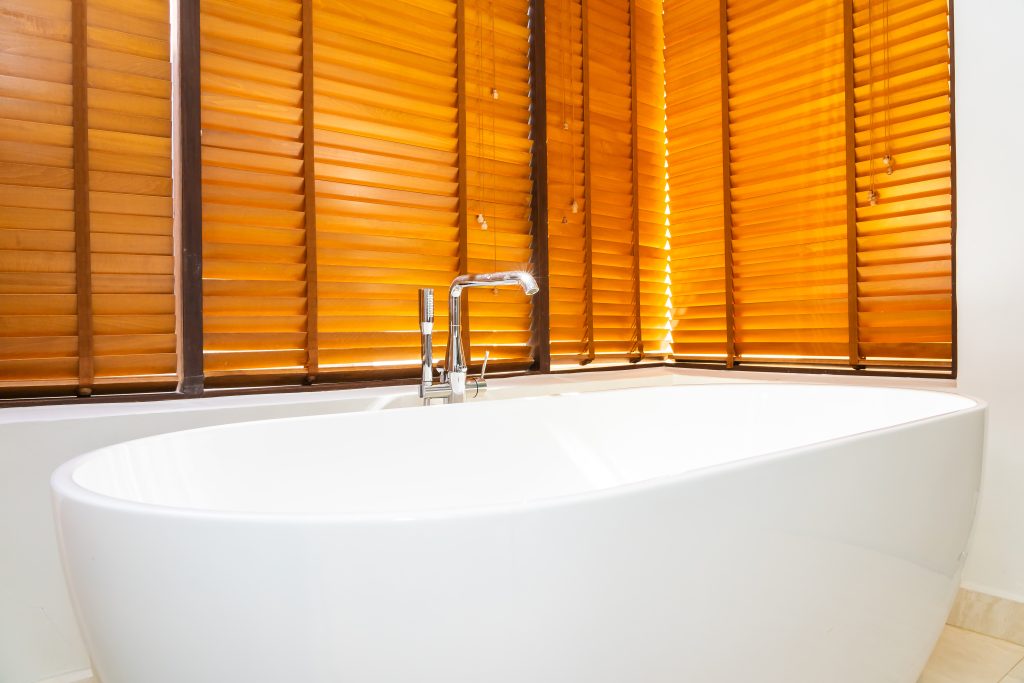
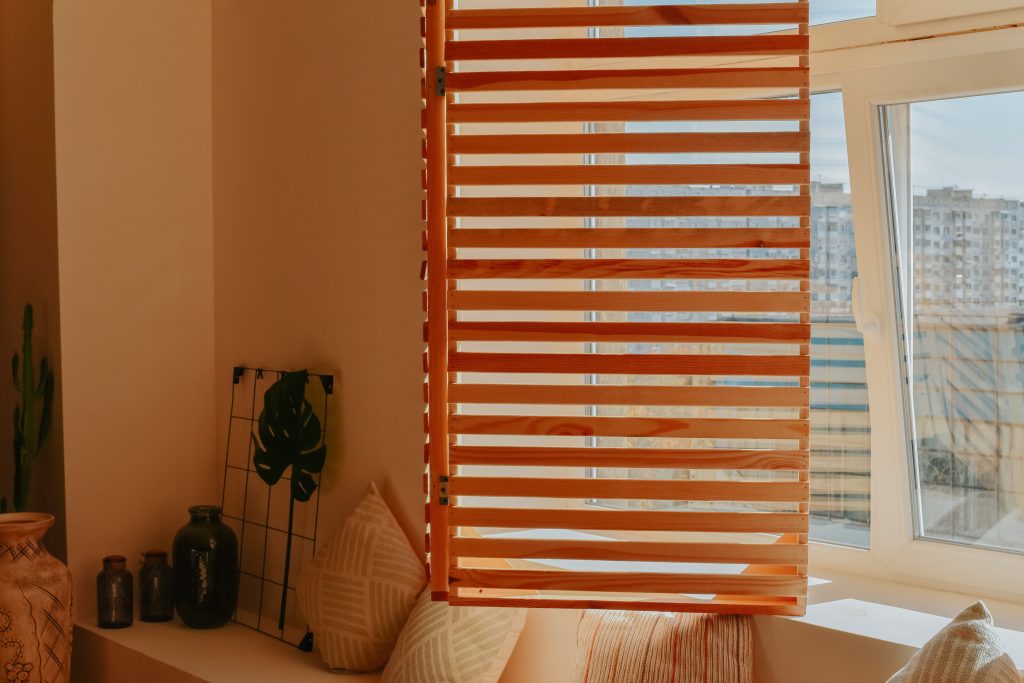
Let’s start with real wood blinds. These are the classic: warm, elegant, and instantly elevates a room to look refined and chic. Real wood blinds are almost like furniture for your window using materials like cedar, basswood, or even engineered wood variants. The only thing wood doesn’t love is moisture. So this is NOT the choice for bathrooms and steamy kitchens.
Next up is premium vinyl and PVC. Now, before you picture the cheap plasticky stuff, hang on a minute! These days newer, higher-grade versions are surprisingly good at mimicking real wood grain, and you get durability thrown into the bargain. Pets? Kids? Strong summer sun? PVC can take it all and then some.
Then you have quality fabrics – the kind used in honeycomb shades, textured rollers, or soft Roman blinds. These fabrics are known to handle light beautifully, and also offer better insulation. The look is deliberate and sophisticated. In fact, you’ll notice the difference instantly when you touch them.
Premium Materials (₹8,000+ per window)
This is where we enter the high end, statement window category of blinds. With these blinds you don’t just cover a window, but dress it. They’re chosen with care and intention, and usually to achieve a certain look in spaces.
In this category you will find hardwoods, comprising variants such as cherry, oak, and bamboo blinds. Lush, full-bodied materials that bring a sense of elevated craftsmanship to a room. They’re often custom-made, which also contributes to the price tag, but when you see them in person, you’ll understand why. The ultimate in luxury.
Then there are designer fabrics. Here you have an array of linens, natural fibers, jacquards, and textured blends – all the materials that feel chic and made-for-couture. The fabrics filter light in a way that makes a room feel softer and more inviting without being ostentatious.
Last but not least are the modern favourites: smart materials. These are fabrics engineered for motorisation, being lightweight, coated, UV-resistant, and sometimes even antimicrobial. They glide smoothly, age gracefully, and synchronise seamlessly with smart-home systems.
Are they expensive? Yes. But also worth every penny. If you’re willing to splurge on blinds to give your home that designer edge, you will not go wrong here.
Materials based on function
Imagine standing in an ADORN showroom. You’re looking at a set of blinds on display, touching fabrics, tilting slats, and stepping back to see how it behaves in the light… and you’ll soon see that the material goes beyond design to impact how a room feels and how the blind behaves every single day.
This is where people ask, “Okay, but which one will actually work best for what I need?” And because each room has its own personality (bright, shaded, humid, busy) the material has to support the way you use the space.
So let’s walk through this the way we do with customers every day: sharing a friendly, straightforward breakdown of how different materials perform.
Light control and privacy:
This is the common starting point. One because it is the main reason to buy blinds and two, because people care about how light can change the mood of a room.
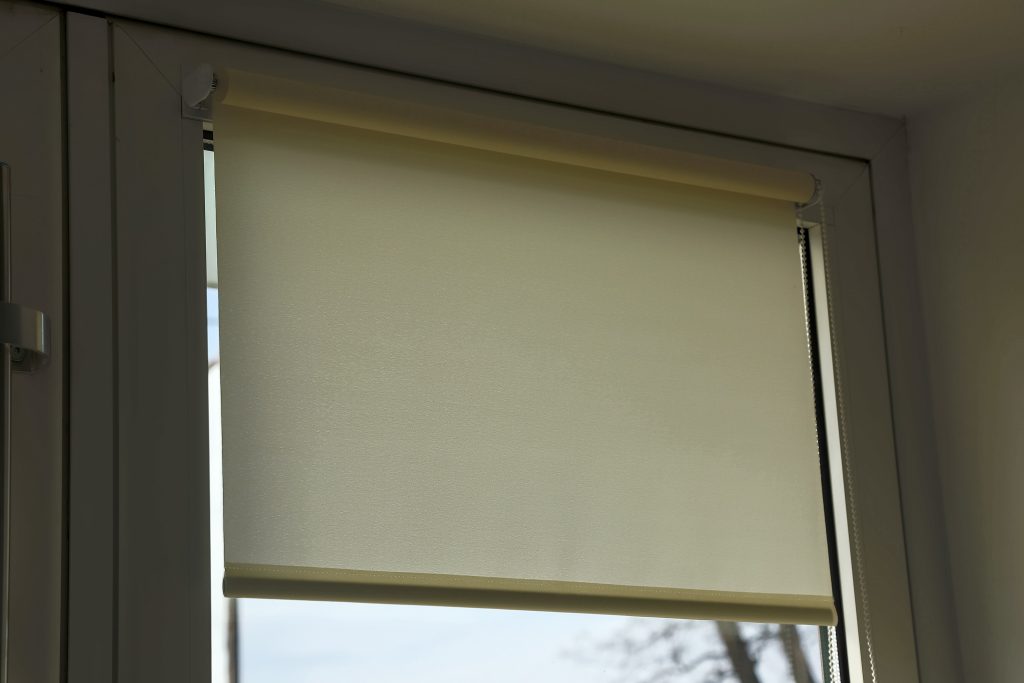
Blackout materials: For rooms which need to be darker, quieter spaces (maybe it’s a bedroom, a nursery, or a room that gets strong streetlight at night) blackout fabrics or vinyl-backed rollers are a reliable choice. They block light very effectively and help you control brightness.
Light-filtering materials: When you want softness rather than darkness, translucent fabrics or cellular shades help create gentle, diffused light. They brighten the room without harshness, which often feels more calming.
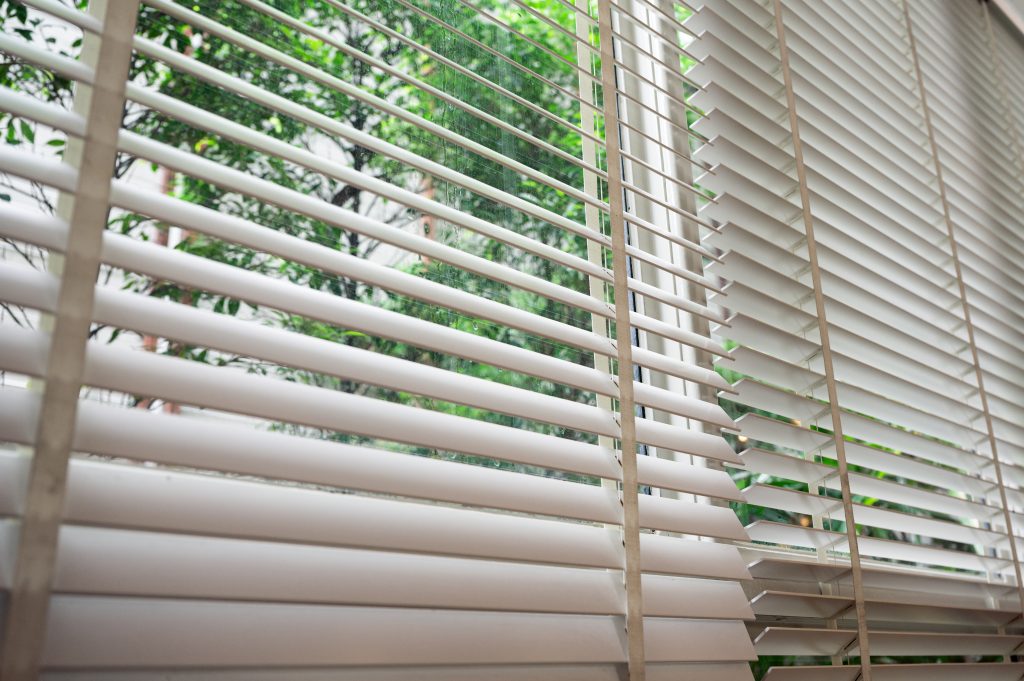
Materials that offer flexibility: If you like adjusting light through the day (natural, open brightness in the morning, soft glow in the afternoon etc.) slatted materials such as wood, faux wood, or aluminum Venetians give you that freedom. Zebra blinds also help balance light and privacy with their layered design.
Energy efficiency:
If your home isn’t too well insulated i.e. tends to warm up quickly or lose cool air easily, the right material of blind can make a noticeable difference.
Insulating fabrics: Cellular (honeycomb) blinds are especially effective thanks to their built-in air pockets that help stabilise room temperature. A useful feature for both, intense summers and cooler months.
Heat-reflective coatings: Some roller fabrics come with reflective backings that reduce heat entering through the window. These are especially helpful in rooms that get a lot of afternoon sun.
Naturally insulating options: Wooden blinds are also mildly insulating due to the sheer density of the wood. They help mitigate heat transfer and add a warm, natural feel to the room.
Moisture resistance:
Humidity plays a big role in the longevity of your blinds, and that is especially true in kitchens and bathrooms.
Bathrooms: Vinyl, PVC, and aluminum handle moisture well and keep shape over time. They don’t warp and are easy to care for.
Kitchens: Here, it helps to choose something you can wipe clean without worry. Faux wood, PVC, vinyl, and coated roller fabrics are stain-resistant and handle heat better than most textiles.
Semi-outdoor areas: If you’re thinking of blinds for balconies or verandahs, look for weather-resistant fabrics designed to withstand sunlight, dust, and temperature fluctuations.
Maintenance requirements:
How much effort are you willing to put into maintaining your blinds? Because there are some materials that are simply easier to live with than others.
Low-maintenance choices: Vinyl, PVC, and aluminum are very basic and straightforward. A quick wipe or dusting is usually enough care.
Fabrics with helpful coatings: Many modern roller fabrics come with dust-repellent or stain-resistant finishes which make them easy to live with and ignore.
Stain-resistant textiles: Certain materials are treated to resist marks and spills, which can be especially helpful in busy homes or areas where blinds get frequent use.
Hopefully now you have a clearer picture of why choosing blinds based on materials and function can make the rest of the decision making journey easier. When the material is aligned to the function and use of the room—how bright it gets, how humid it is, how often it’s used—the blinds work better and smarter, and are also far easier to maintain in the long run.
Choosing materials based on room type
Every room in your home responds and behaves differently. Some receive bright sunlight throughout the day, others are damp and moist. Some rooms have constant use – like living rooms, and then there are other rooms meant for quiet, restful moments. Each room has its own set of needs and that’s why the material you choose for your blinds can’t be a one-size-fits-all.
Let’s take a look at how different materials fit into different parts of your home.
Living rooms and common areas:
Living rooms are often the busiest, most popular rooms in the home. They’re where you relax, entertain, watch TV, and spend the most time with others, so the blinds here must balance comfort and appearance with maintenance.
Aesthetic priorities: If you want the room to feel warm and inviting, wood and well-textured fabrics make a great impact. Designer weaves and premium textiles can add depth too.
Light control: Materials used in Venetian slats, zebra blinds, or layered sheers let you adjust brightness as the day changes.
Durability: These are high-use spaces, so it helps to choose materials that don’t fade easily and are relatively easy to maintain.
Bedrooms:
Bedrooms are personal, quiet ,and restful spaces, so choose materials that support comfort.
Privacy and darkness: Blackout materials are a good bet here. Whether you prefer early mornings or late starts, having the ability to fully control light can make a big difference in how a room feels.
Sound softness: Thicker fabrics, including cellular shades, offer a little sound dampening, which can make bedrooms quieter and more insulated from outside noise.
Child safety: For kids’ rooms, cordless or motorised options are often the safest and simplest to use.
Kitchens and Bathrooms:
These rooms test materials the most. Heat, steam, and constant movement mean the blinds need to be practical above all else.
Moisture resistance: Vinyl, PVC, and aluminum remain the most reliable choices. They won’t warp from humidity and they hold up surprisingly well over years of use.
Easy cleaning: Non-porous surfaces are best in kitchens. They allow you to wipe off cooking residue or splashes without worry.
Heat tolerance: Near stoves or ovens, choose materials that won’t react to heat or absorb smells. Synthetic materials and coated fabrics tend to stay stable.
Home Offices and Study Rooms:
Home offices and studies need comfort but also calm to help you focus and get the job done.
Glare control: Light-filtering fabrics can soften the daylight and reduce glare on screens, which makes work sessions seamless.
Professional finish: Neutral-toned fabrics or clean-lined vinyl/PVC blinds keep the room looking organised and work-ready.
Light balance: Choose materials that let you maintain brightness without it being harsh, especially if meetings or calls take place during the day.
Commercial and Office Spaces:
In commercial settings, blinds need to handle more wear and still look neat and consistent throughout the space.
Durability: Commercial-grade vinyl, aluminum, and reinforced fabrics are built to withstand continuous use.
Fire safety: Many office environments require flame-retardant materials. These come with certifications and are designed specifically to meet building standards.
Maintenance efficiency: Easy to clean materials are essential in shared spaces, so smooth, easy-wipe surfaces tend to work best.
When the material feels suited to the room, the blinds fit in effortlessly and become part of the environment.
Choosing your blinds: A simple checklist
By this stage, you’ve probably seen enough materials, finishes, and features to feel both informed and slightly confused. Relax. That’s completely normal. To help you make meaningful decisions is this simple framework. Think of this checklist as a way to bring clarity to your choices, so you can confidently select materials that match your home, your habits, your tastes, and the way you want each room to feel.
1. Lock in the budget:
It helps to fix on this first, because materials can vary widely in price. Ask yourself:
- What’s the comfortable spend per window?
- Do you prefer the cost-effective option or the one that offers long-term value?
- Will you be installing the blinds yourself, or will you need professional installation?
Once your budget range is clear, the material options naturally narrow themselves down.
2. Define the role of the blind in the room:
Every room has different roles and expectations, and this is where material choice really becomes meaningful.
Consider:
- How much light control do you need? (blackout, soft light, adjustable)
- Is privacy a major concern here?
- Would energy efficiency or insulation make the room more comfortable?
- Are you looking at low-maintenance materials or are you OK with occasional care?
This will help you choose between materials that prioritise function, comfort, or a mix of both.
3. Think about the room in question:
Each room behaves differently, which means the materials should fit those conditions.
- Is this room exposed to moisture or steam?
- Will the blinds face daily wear and frequent use?
- Are there safety needs to consider i.e. children, pets, or elders?
- What is the overall décor style, and which material feels naturally at home in it?
When you match the material to the room, it goes a way to ensuring your blinds stay beautiful and functional over time.
4. Narrow down your options:
If you’re still torn between two or three options, try this quick approach:
- What are the top three non-negotiables (e.g., blackout, moisture resistance, low maintenance, natural texture)?
- Match your room needs to the most appropriate material
- Balance cost with lifespan i.e. a slightly higher investment can offer longevity and a smoother experience.
- Be realistic about maintenance. The ideal blind is one that fits your lifestyle without demanding too much in return.
Once you go through these steps, the choice usually becomes clearer and far more personal in the best possible way. You’re not just picking a material for a window; you’re selecting something that will contribute to the way your home feels every day. And that is what matters at the end of the day.
You may not make much of choosing the right blind material at first, but as you explore options, you will see just how far it shapes your daily experience. The way a room brightens each morning, how private it feels, how cool it stays in the heat, all begin with the choice of material. And there isn’t a single “best” blind material; only what works best for your rooms, your habits, and your sense of comfort.
It’s always worthwhile to spend a moment understanding what each room needs rather than following trends or default choices. And if you ever feel unsure, speaking to a professional can smoothen the process. They will help you navigate your specific needs and suggest the ideal solution. And from here, the next steps, from colours to operating systems, become much easier and more enjoyable. You’ll see!
Also Read: Choosing the right blinds as per your city