You turn up the heater, pull on a cosy sweater, sip something warm, and yet, your home feels colder than it should. Sound familiar? During winter, many homeowners primarily focus on heating systems and insulation. But it is always a good idea to consider one other, frequently overlooked, and significant source of winter heat loss: your windows and the window coverings (or lack thereof) you use.
Windows can be responsible for about 30% of the overall heating loss of a house, and without the correct coverings, even the most well-designed interiors can feel excessively cold and uncomfortable. The good news is that now you can avoid anything bulky and inconvenient for renovation and design. The right window coverings for winter will enhance the warmth, comfort, and energy efficiency of your home while improving the efficiency of your heating system and leaving your design intact.
Why does your home feel so cold? How does heat escape? The answer is found in the window coverings. Let’s explore the difference these coverings can make, why they are necessary, and why some coverings are designed specifically for winter use.
The Main Problem: The Way Windows Lose Heat in Winter
Glass looks nice and is one of the worst insulation materials for the cold. Heat is still able to escape from the building by conduction and convection, and through the air leakage. The warm air in the building, coming through the heating system, gets cooled by the cold glass of the windows and drafts cold air down. This is what makes the room colder than it is.
This is where cold-weather window coverings come in. In their absence, all the heating systems work super hard to keep the room warm, only to have energy bills grow and to have the room become less comfortable.
The Problem: Why Standard Curtains Aren’t Enough Heat
When looking at curtains, some may think they look nice and plush, but many of them have a decorative purpose only. Soft fabrics and unlined drapes allow lots of heat to escape. Insulating the space means needing to have window coverings that are intended to keep out the cold. covering windows to keep out the cold, without the softness, is the best option.
Other softer, modern blinds and shades are actually designed to keep warm air in, to reduce the drafts and to have a thermal blockage on your space from the outside elements.
How Do Blinds Keep the Cold Out?
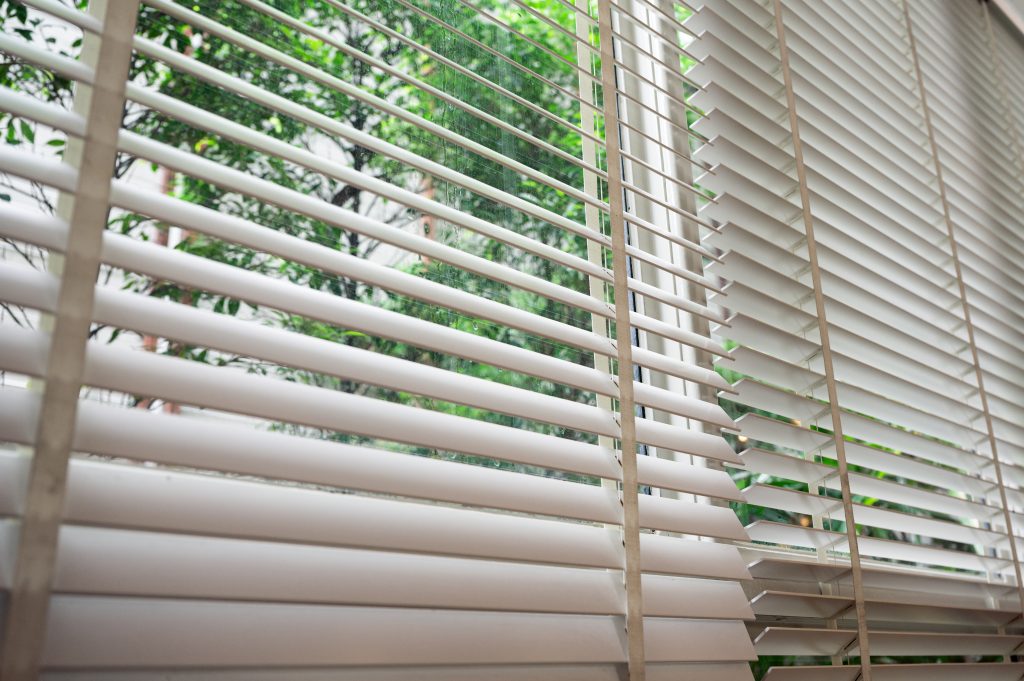
The top blinds to keep cold out work most effectively by layering insulation. When hung close to the window frame, they capture a pocket of air between the window and the blind. This trapped air serves as an insulating barrier, preventing heat from escaping.
More advanced designs, like honeycomb and cellular structures, do this even better by creating multiple pockets of air. This results in rooms feeling warmer and more comfortable, even on the coldest of mornings.
Blinds For Winter Windows That Make a Difference
Not all window treatments keep the heat in. When you’re looking to keep the cold out, these winter window blinds make a difference.
-
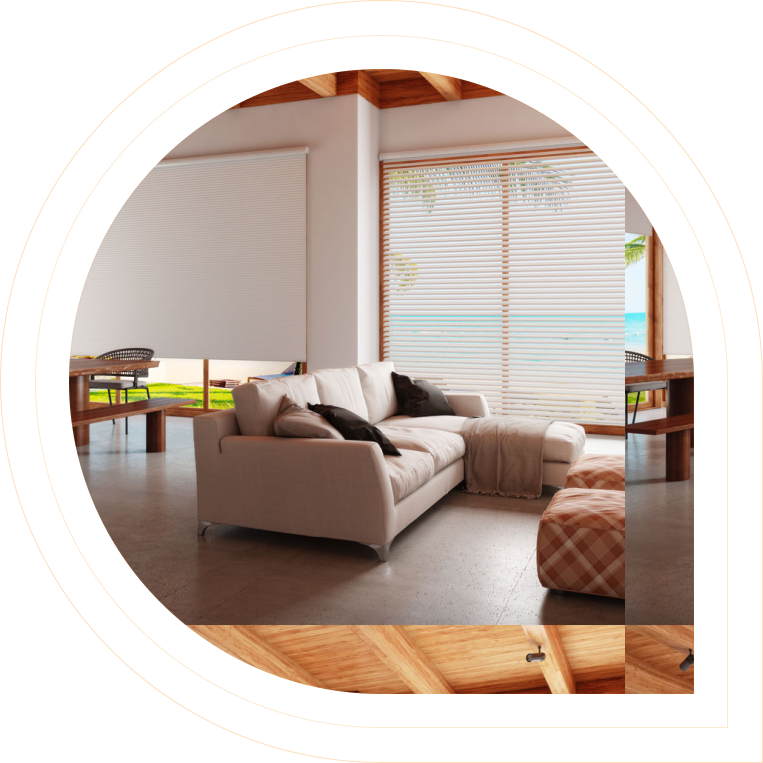
Honeycomb (Cellular) Blinds
Considered the best window blinds for winter, honeycomb blinds have a unique cellular design that traps air and prevents heat loss. They are modern and very energy-efficient.
-
Blackout Blinds
Blackout blinds aren’t just for blocking light; they also provide great insulation. The dense fabric of these cold-weather blinds, especially in the bedroom, helps keep the cold air out.
-
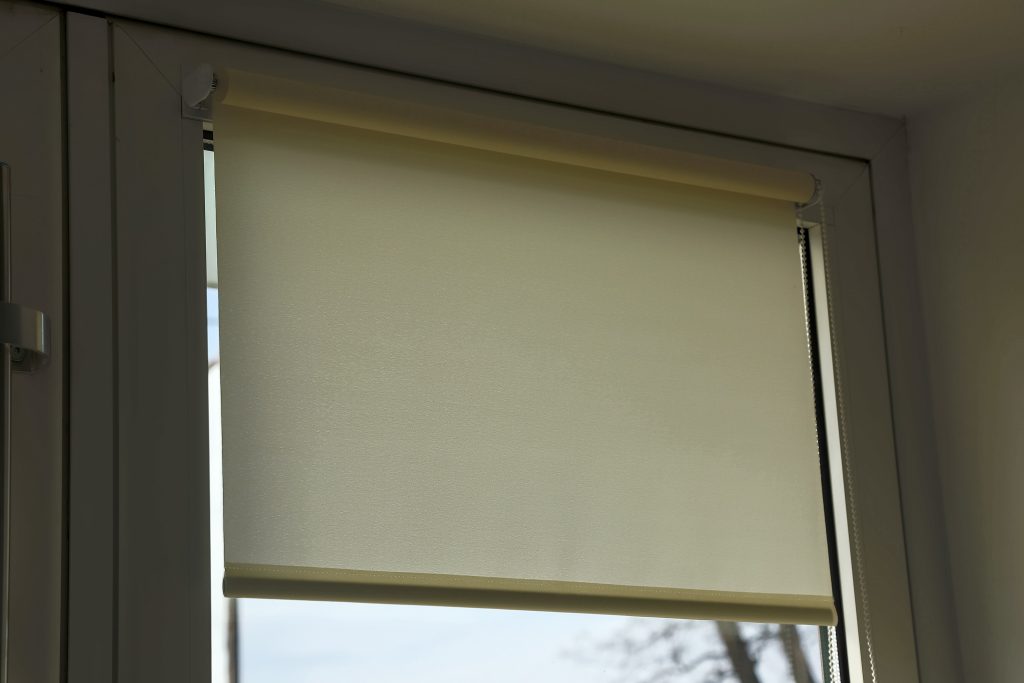
Thermal Roller Blinds
With an insulating backing, Thermal Roller Blinds are an excellent investment as they reflect heat that escapes back into the living space to keep temperatures viable.
These options combine comfort and modern design. That is a great example of how warmth can be achieved without sacrificing beauty.
Why Winter Window Coverings Feel Warmer Instantly
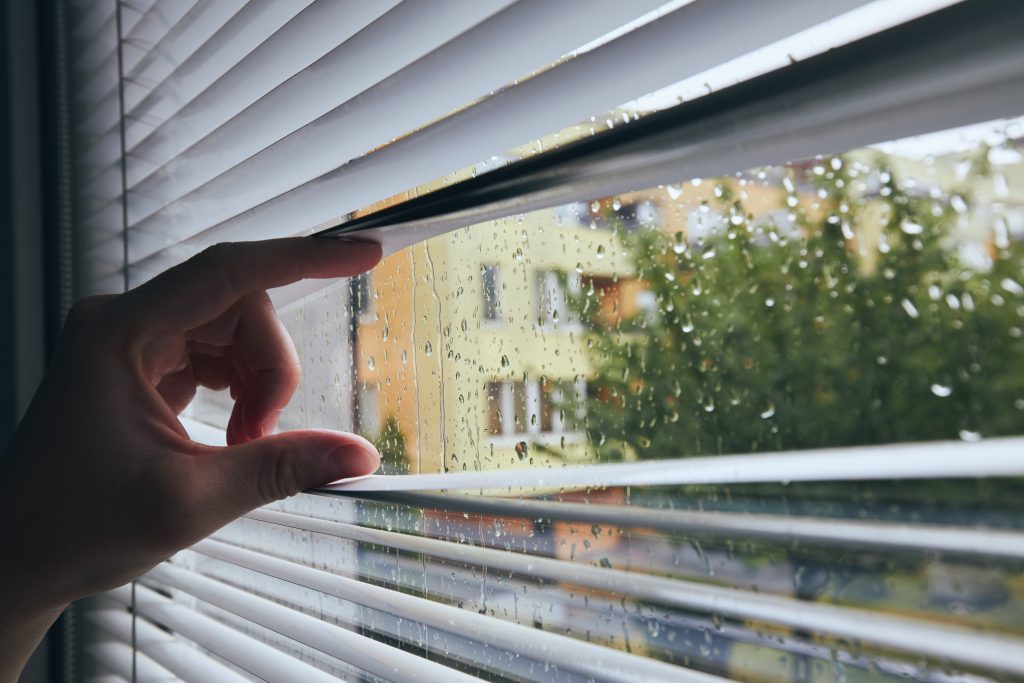
Have you closed your blinds in the evening and immediately felt the room getting cosier? That’s not your imagination. Window coverings for winter are designed to stop radiant heat loss by obstructing the cold surface of the glass. With your blinds closed, you can raise the “perceived temperature” of a room. This means the room feels warmer without you having to actually adjust the thermostat.
Blinds vs Curtains: Which Are Better for Winter?
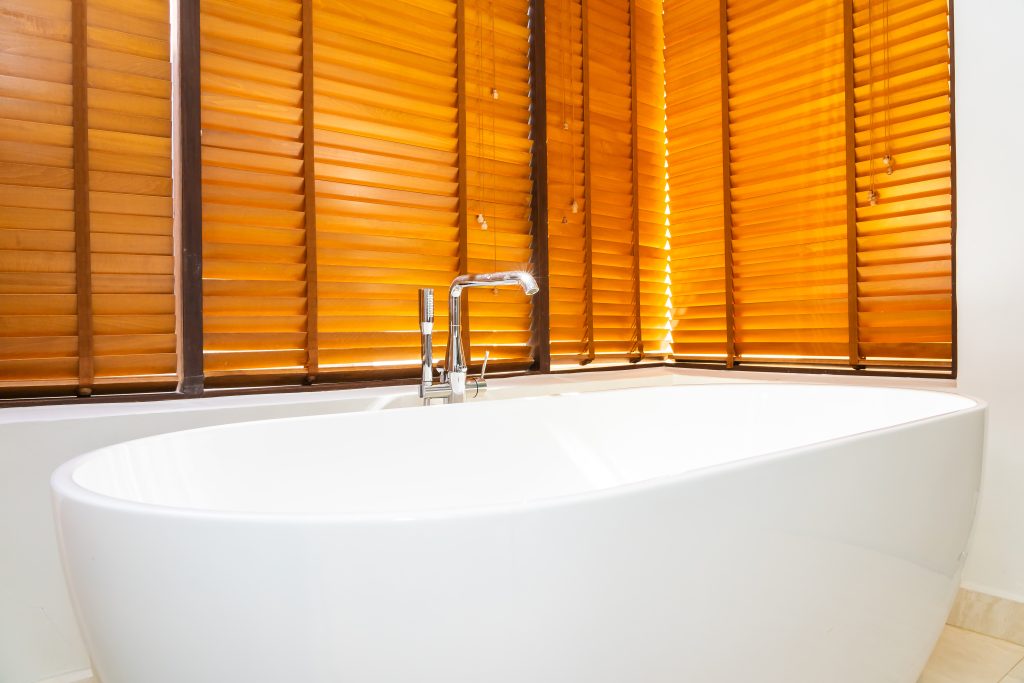
There are definitely a time and a place for curtains, but blinds tend to perform better in winter. Blinds sit closer to the glass, which helps to reduce airflow and drafts. When blinds are used with thermal fabrics, they make for very effective window coverings to keep out the cold.
For some of the greatest results, many interior designers suggest layering. This means combining different kinds of window coverings, like blinds and curtains, to create extra insulation and some nice visual depth.
Cold Weather Window Coverings That Save Energy
A large portion of the energy bills in the wintertime is due to heating. When you place effective cold-weather window coverings on your windows, you minimise the amount of heat that escapes, which in turn means your heater doesn’t have to work as hard.
Over time, this translates to:
- Saving money on energy bills
- Smaller carbon footprint
- More stable temperatures year-round
Without sacrificing style or comfort, this is one of the best ways to make your home more sustainable.
The Role of Fit: Why Customisation Matters
Even the best blinds will underperform if they aren’t fitted to your windows properly. Custom-fitted blinds will give your windows a tight seal to maximise insulation and make your blinds more effective. This is where Adorn Blinds and Shades exceed the competition. Custom-made to your windows, we balance aesthetic and functionality with ease.
No More Compromising: Style Meets Warmth
Outdated, heavy window treatments are a thing of the past. Today’s winter window coverings offer endless combinations of materials, colours and finishes suitable for any modern or luxurious design. Blinds for winter are a design feature and not an afterthought, especially when they are bold and colourful. They are a great way to add contrast to your space and make a big impact while offering design flexibility.
Windows that have no coverings or are decorated with curtains or lighter fabrics often contribute to a more significant heat loss from your home than even your heater can compensate for. Speaking primarily about the window treatments for winter that we sell and custom design, these winter window coverings are fashioned to enhance winter window curtains to ensure that the heat your heater outputs stays inside.
Where Winter Window Blinds Matter Most
Certain rooms benefit more than others from upgraded blinds for cold weather:
- Living rooms, where large windows often dominate
- Bedrooms, where warmth improves sleep quality
- Home offices, where comfort boosts productivity
- Dining areas, making winter gatherings more inviting
Targeting these spaces first can deliver noticeable improvements quickly.
Winter window blinds create a more comfortable environment overall because no one enjoys wearing a lot of clothing in their own home, so we designed custom fabric window coverings that keep winter blinds from being drawn. That’s convenience. That’s comfort. That’s what we want for you.
It’s about keeping the heat where it belongs: in your home and on your skin!
Small Changes, Big Comfort
So, if your home feels colder than it should, the issue may not be your heater at all. Often, it’s what’s missing from your windows. Investing in the right window coverings, especially purpose-built window coverings for winter, is one of the smartest and most stylish ways to reclaim warmth.
With thoughtfully designed winter window blinds, you can transform cold, drafty rooms into cosy, energy-efficient spaces that feel just right, no extra layers required. Because winter comfort isn’t just about turning up the heat. It’s about keeping the warmth exactly where it belongs, that is, inside your home.
Also Read: The Complete Guide to Blind Materials: Choosing the right fabric and finish for your windows