The fact about homes is that every room behaves differently and you can’t tell from Pinterest pictures alone. And it is blinds which tend to expose those differences. For instance, a bedroom has a very different job description from a kitchen. You need darkness, quiet, and calm for the former, while the latter has to survive steam, heat, and moisture. Bathrooms also have a lifelong struggle with humidity. Living rooms ask for blinds that can shift according to mood: bright and open in the morning, cool and serene on hot afternoons, and soft and cosy in the evening. Plus, for work and study areas, home office blinds can also determine how well you focus.
So, when it comes to picking blinds for different rooms, there isn’t a silver bullet solution for the entire house. It’s more about learning the personality of each space and matching a window treatment to it. Privacy, light control, moisture, or cleaning, half the battle is simply knowing what the room needs and how you want it to behave.
So think of this guide less like a textbook and more like a friend walking you through the house, pausing at each window and saying, “OK, this might work here.” The idea is to help you make choices that fit both your style and the way your home truly functions.
Living Rooms & Common Areas: The heart of the home
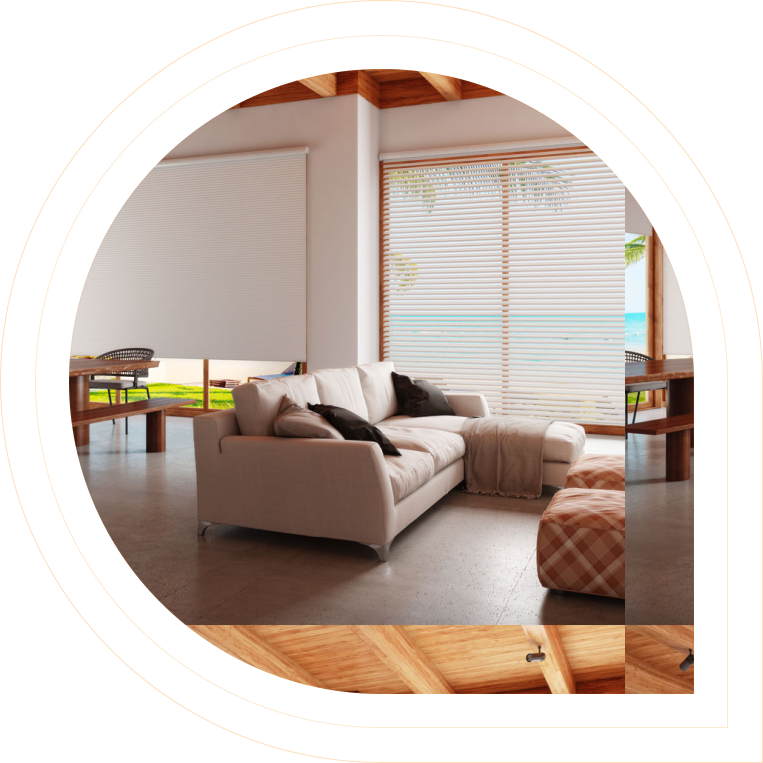
Let’s dive into the most popular room of all. The living room is the social butterfly of the house. One morning it’s bright and open; by evening you want it cosy enough to sink into the couch and binge-watch TV. Living rooms are also unpredictable. Some days you want sunlight pouring right in while on other days you prefer a more subdued light. This room usually needs blinds that can shift moods quickly, without making you fiddle with complicated mechanisms. A few styles consistently behave well:
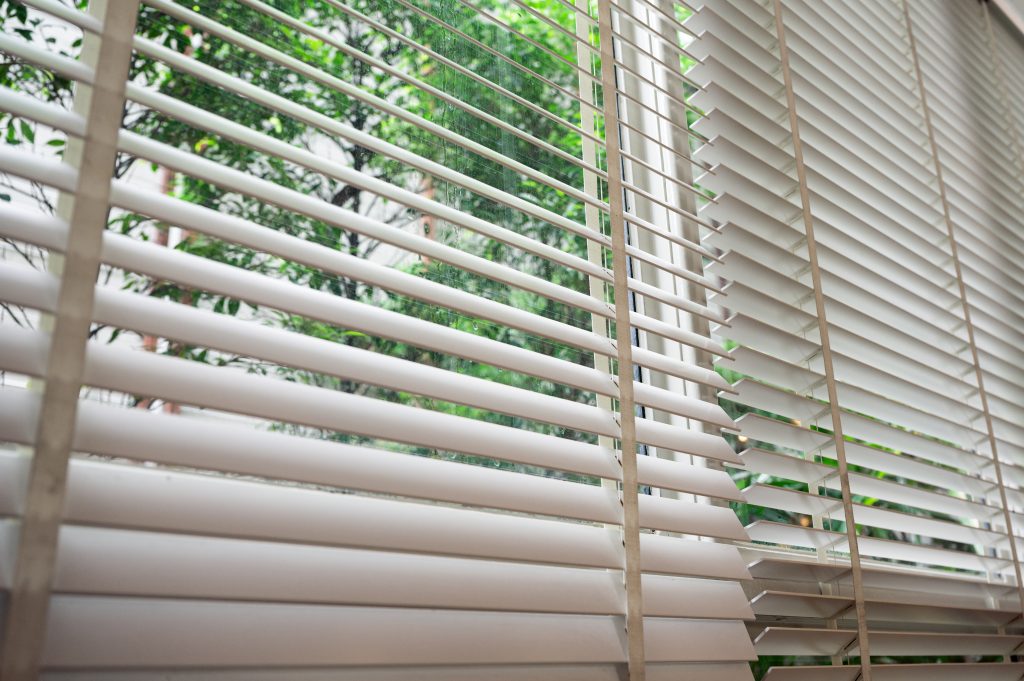
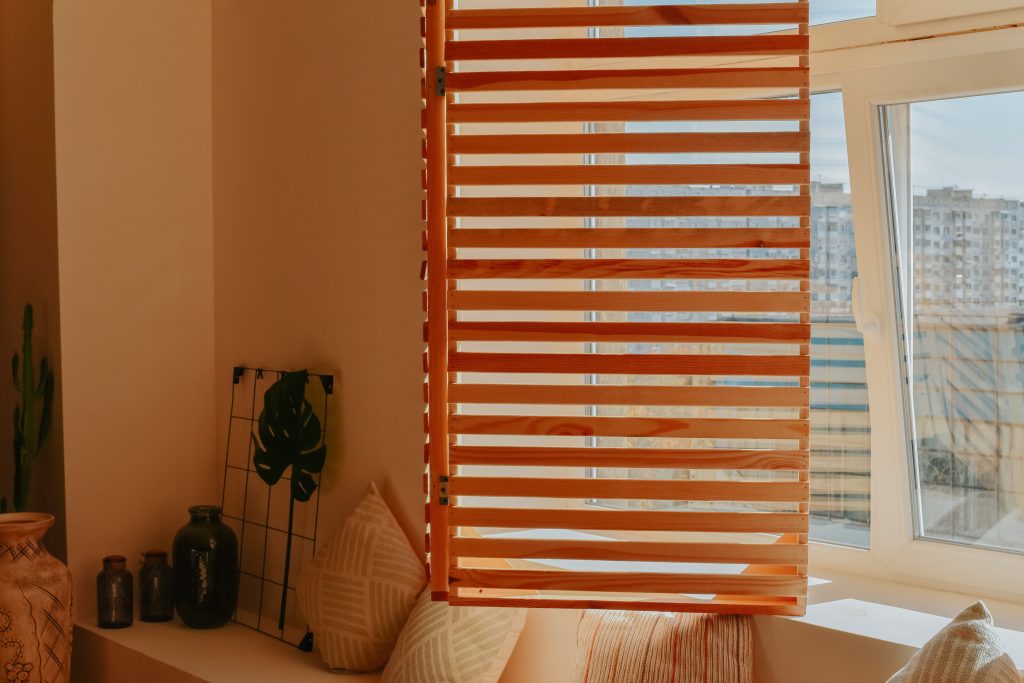
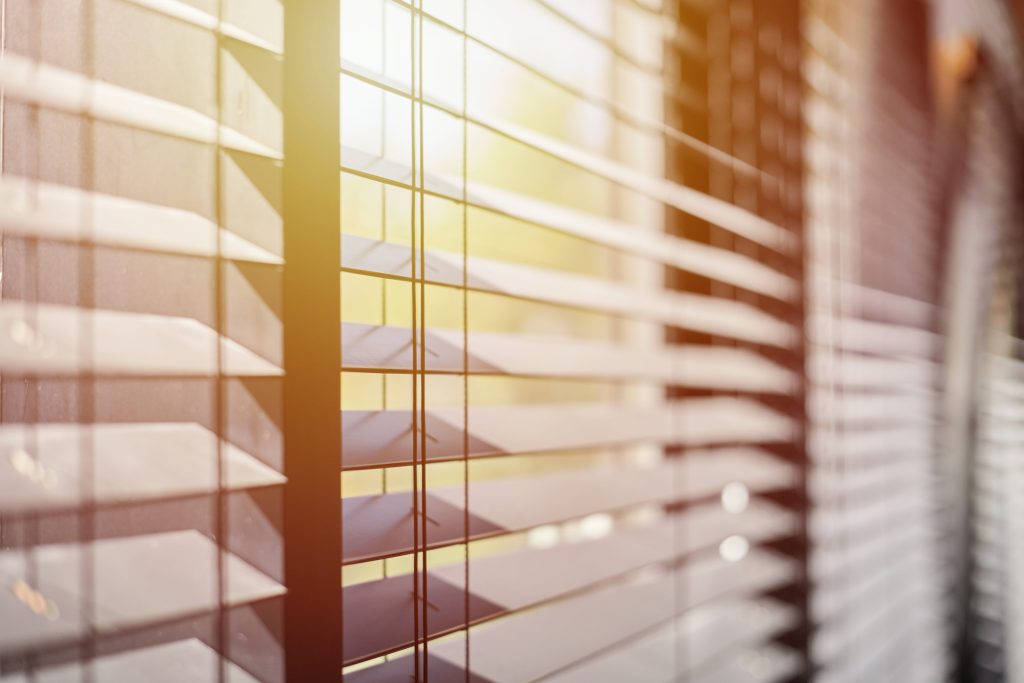
- Wood or faux-wood Venetians: Easy tilt, easy life. They soften sunlight beautifully when you get that harsh late-afternoon beam across the sofa.
- Honeycomb shades: These help tame the temperature a bit and also blunt exterior noise, which is nice if your home faces a busy road.
- Roman blinds: If you like fabric in your space, these give the room that thoughtfully-designed dressiness and style.
- Zebra blinds. These are modern blinds for people who like contemporary styles which look like they came from a fancy design catalog.
Now when it comes to materials don’t overthink it. You’ll find wood adds warmth, fabrics add softness, and if you host often (or have kids and friends who drop crumbs everywhere), choose something you can easily wipe down without a second thought.
Bedrooms: Your retreat and sanctuary
If there’s one room where blinds make a dramatic difference, it’s the bedroom. Light decides your sleep, and privacy decides your peace. Some people enjoy a bit of morning sun; others treat sunrise like a personal affront!
The bedroom is where blinds have the most emotional job so you want to choose carefully and ensure you’re ticking all the boxes. Dense fabrics block light better. Cordless blinds avoid safety issues. And if you open/close blinds daily, get something that rolls or glides instead of jerking about awkwardly.
What tends to work in bedrooms:
- Blackout cellular shades: Unbelievably effective. Day to night in one effortless pull of the cord.
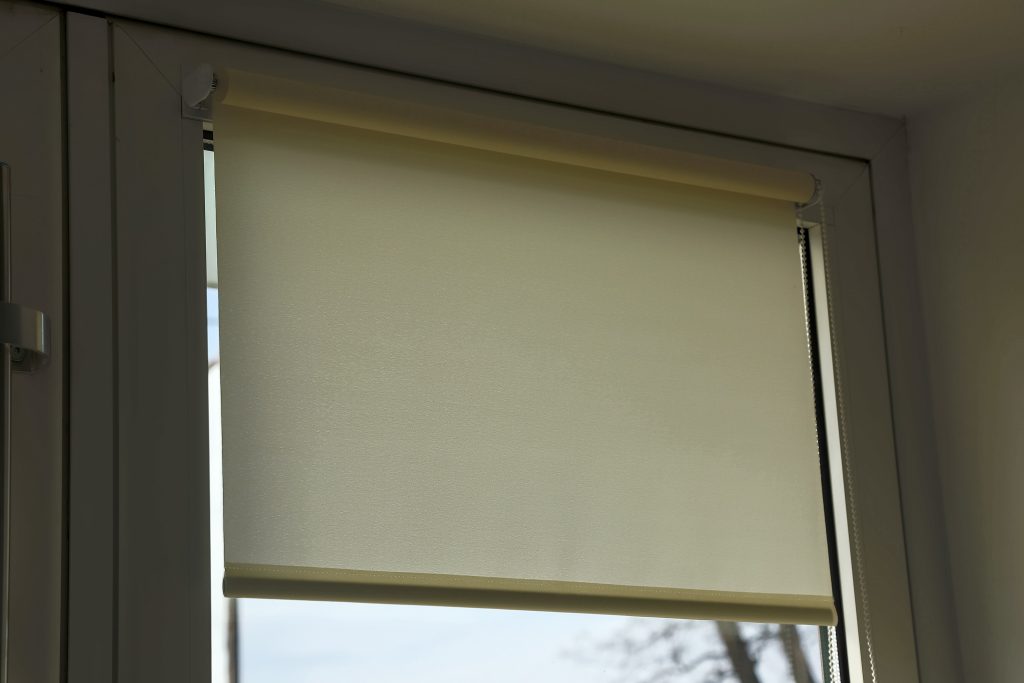
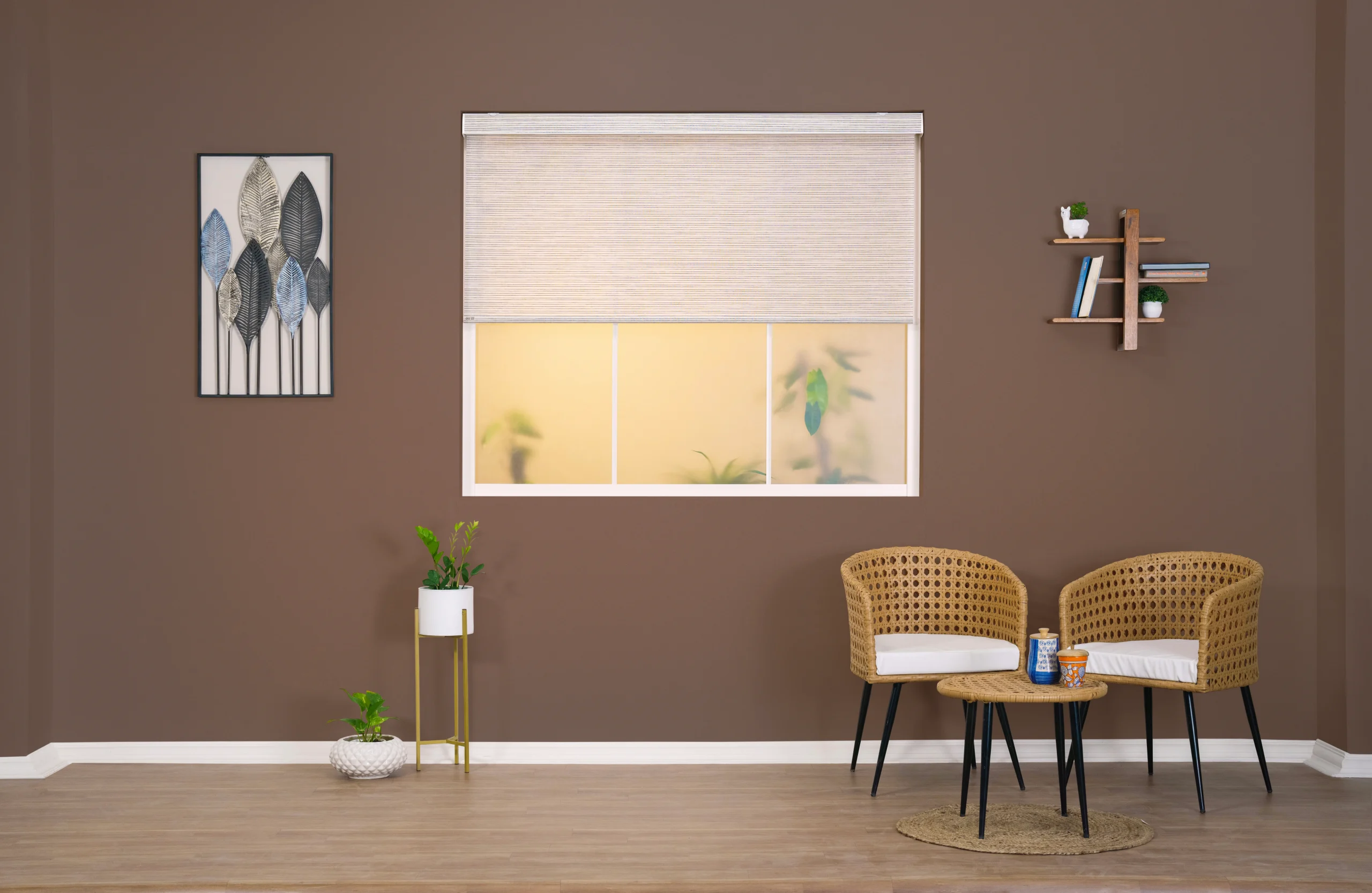
- Room-darkening roller blinds: Simple, neat, unfussy. They look clean and are easy to pair with curtains if you like the layered hotel vibe.
- Vertical blinds. Mostly for long windows and a strangely underrated choice for balcony doors.
Layered systems. Sheers for daytime softness, and pitch blackout for night. What could be better?
Material tips: Denser fabrics will block more light. Cordless blinds keep your room safe if you’ve got children or pets. And smooth mechanisms matter because bedroom blinds are opened and closed more often than any other blinds in the house.
Kitchens: Survival of the fittest
Kitchens are where blinds go to be tested. There’s heat, steam, grease, spices, the occasional boiling-over pot, and one person who will inevitably splash water everywhere. This is no place for the weak. If you’re thinking of delicate fabrics, you will regret it.
The general rule for kitchens is: stick to non-porous materials because fabrics fade, stain, and absorb smells. Choose grease-resistant, fade-resistant, and heat-tolerant variants.
Blinds that survive kitchens:
- Vinyl Venetian blinds. Wipe, and you’re done.
- Aluminum mini blinds. Cheap, sturdy, they don’t care about steam and nothing destroys them.
- Vinyl roller blinds. Featuring a smooth surface where nothing sticks. Great if your window is right next to the stove.
- Faux-wood blinds. Looks like wood, behaves like plastic – in the best way!
So our rule of thumb is: durability first, style a strong second.
Bathrooms: Blinds that create order in chaos
Bathrooms are chaotic. Bathrooms are tricky. And bathrooms don’t negotiate. This room is essentially a test lab for if and how well blinds can perform in damp environments..
We’re talking lots of steam, lots of moisture, the daily exasperation of, “why is everything wet?,” and the need for privacy from anyone who might casually pass by. It’s safe to say that whatever goes in here must be ready for daily chaos.
A handful of blinds consistently hold up:
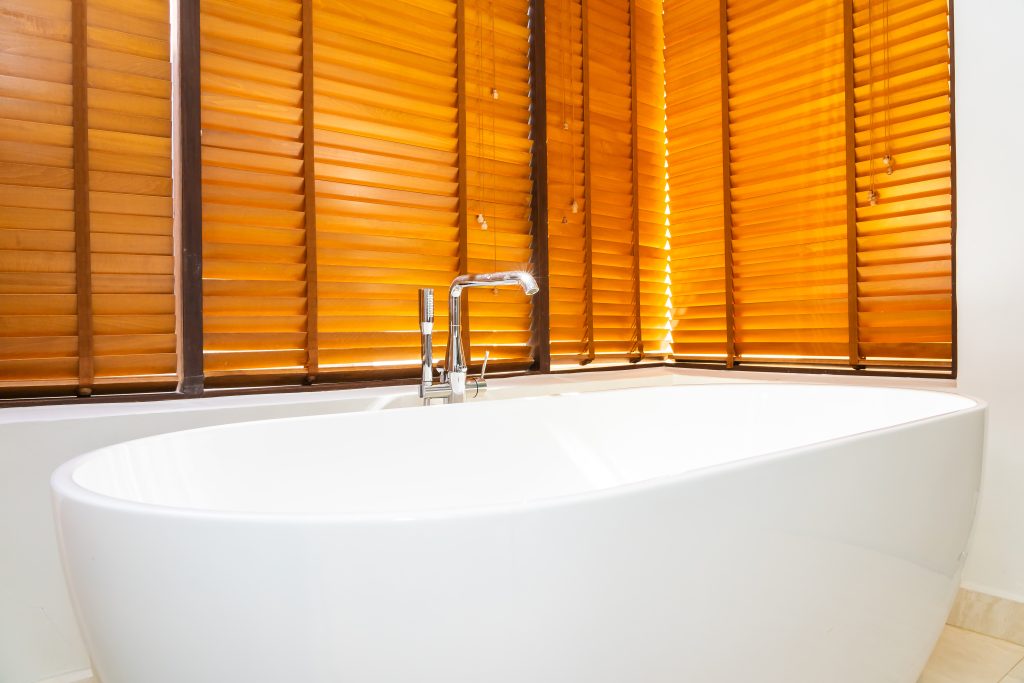
- Vinyl Venetians: Classic, practical, no drama.
- Aluminum blinds. Lightweight, rust-resistant, and easy to keep clean.
- Vinyl verticals. Good for larger windows or odd placements.
- Synthetic cellular shades. For those who prefer something softer but still moisture-safe.
Here’s what to keep in mind: Hydrophobic materials = long life
Fabric = mold’s best friend
And that’s pretty much the whole idea.
Home Offices: Work from comfort
For your home offices and studies, a blind must function to keep you from glaring at your screen. It also helps if it doesn’t look distracting behind you (especially if you’re on video conference calls). In a nutshell: home work spaces need blinds that understand productivity
Your reliable options are:
- Venetian blinds: Offer quick, subtle light control. Just tilt precisely to chase glare away.
- Honeycomb shades: For a calmer, cleaner background. These a re crisp, neutral, and very professional.
- Vertical blinds: Great for larger windows.
- Zebra blinds: Ideal for quick transitions between bright and filtered.
Remember, light-filtering materials in neutral tones almost always look better on camera. Bonus points if the blind pulls or rolls quietly to keep focus on work and not your noisy background.
Commercial Spaces:
Offices and commercial settings follow a different rhythm from home set ups. There are more people, constant use, and stricter safety requirements. Here, blinds need to be resilient without looking tired after six months, so durability is key. Above all else, you will need materials which don’t fade easily and mechanisms that survive repeated, and sometimes careless handling.
What most offices rely on:
- Commercial-grade vertical blinds because you can replace individual slats if needed, one at a time.
- Aluminum Venetians for a clean and corporate look plus low maintenance.
- Roller blinds are simple to maintain and replace in bulk, especially for conference rooms.
- Motorised blinds are often used in conference rooms or high-rise office floors and feel fancy but are incredibly practical for tall or hard-to-reach windows.
It’s important to note that materials should ideally come with fire-retardant ratings, UV protection, and warranties. These details matter far more in commercial settings than in homes. So it’s better to skip the delicate fabrics and soft textures you’d choose for a home and let function win over form.
A Quick Room-by-Room Decision Guide
If you are still uncertain or overwhelmed by the choices, pause and ask a few simple things:
- How often does this room get wet, steamy, or humid?
- Do I need privacy here or just light control?
- Do I need blackout, soft filtering, or flexible light control?
- Honestly – how often am I going to clean these?
- Do I need to be budget-conscious?
- Do I need child-safe or pet-safe mechanisms?
Once you identify your core needs, the right choice of blinds becomes clear. Different rooms ask for different things, and matching those needs is the easiest way to get blinds that last longer and feel fit for purpose.
Conclusion
The fact is, the best blinds may not always be the prettiest ones, but they should be the ones that offer top functionality for each room. Bedrooms sleep better with blackout designs. Kitchens stay cleaner with vinyl or aluminum. Living rooms look and feel warmer with wood tones or layered fabrics. Bathrooms demand waterproofing. And home offices need calm, glare-free workdays that help you stay focused.
So instead of choosing blinds because they look good, choose instead what will make life easier and more comfortable for each specific room. When you;ve got the right blind in the right room, they last longer, work better, and look like they always belonged there.
Also Read: Discover What Type of Bedroom Blind is Best for You