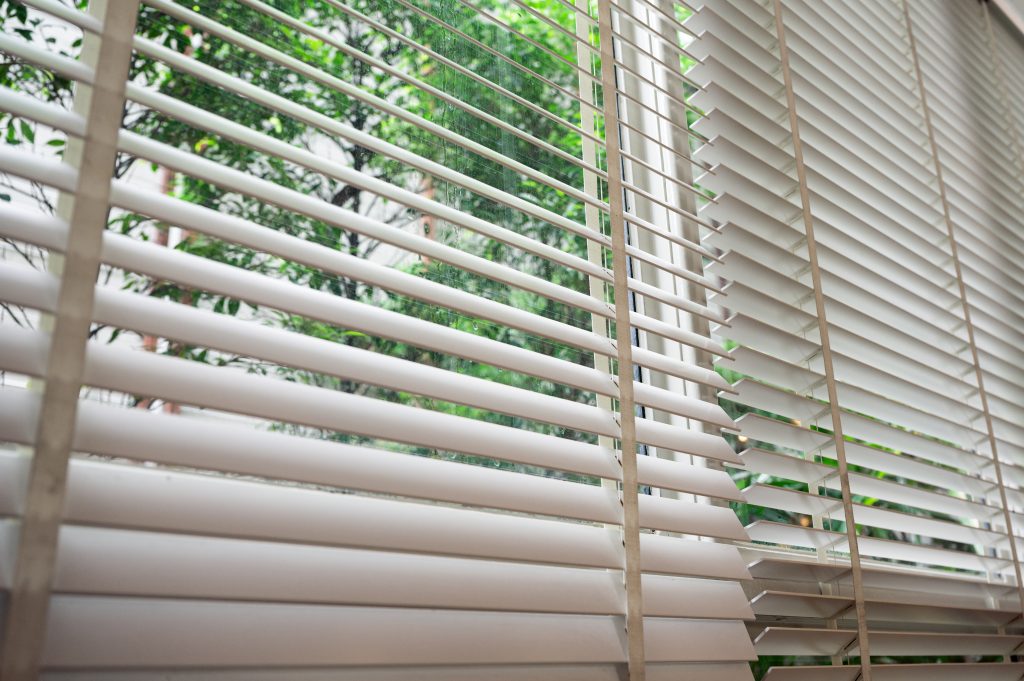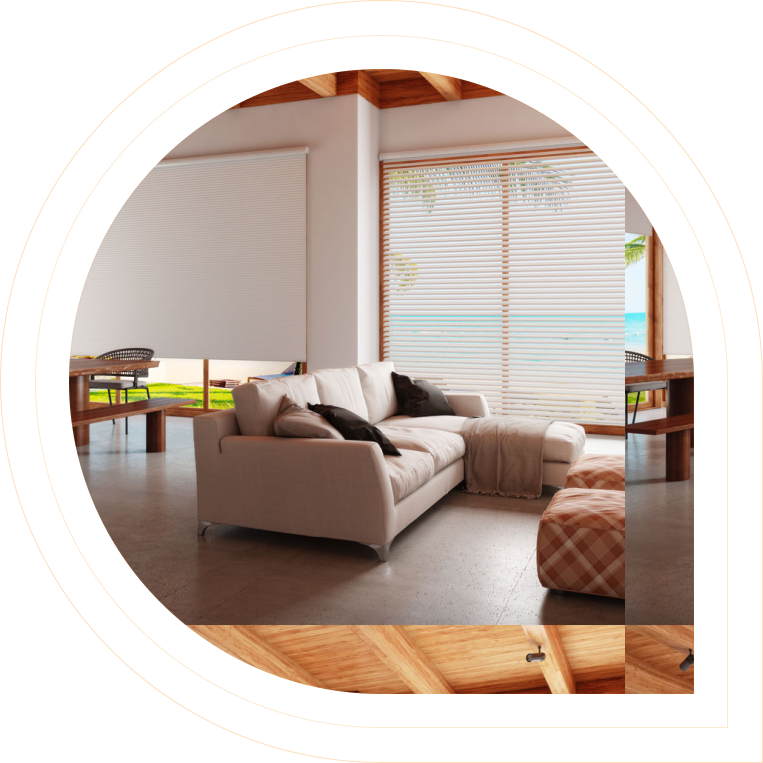
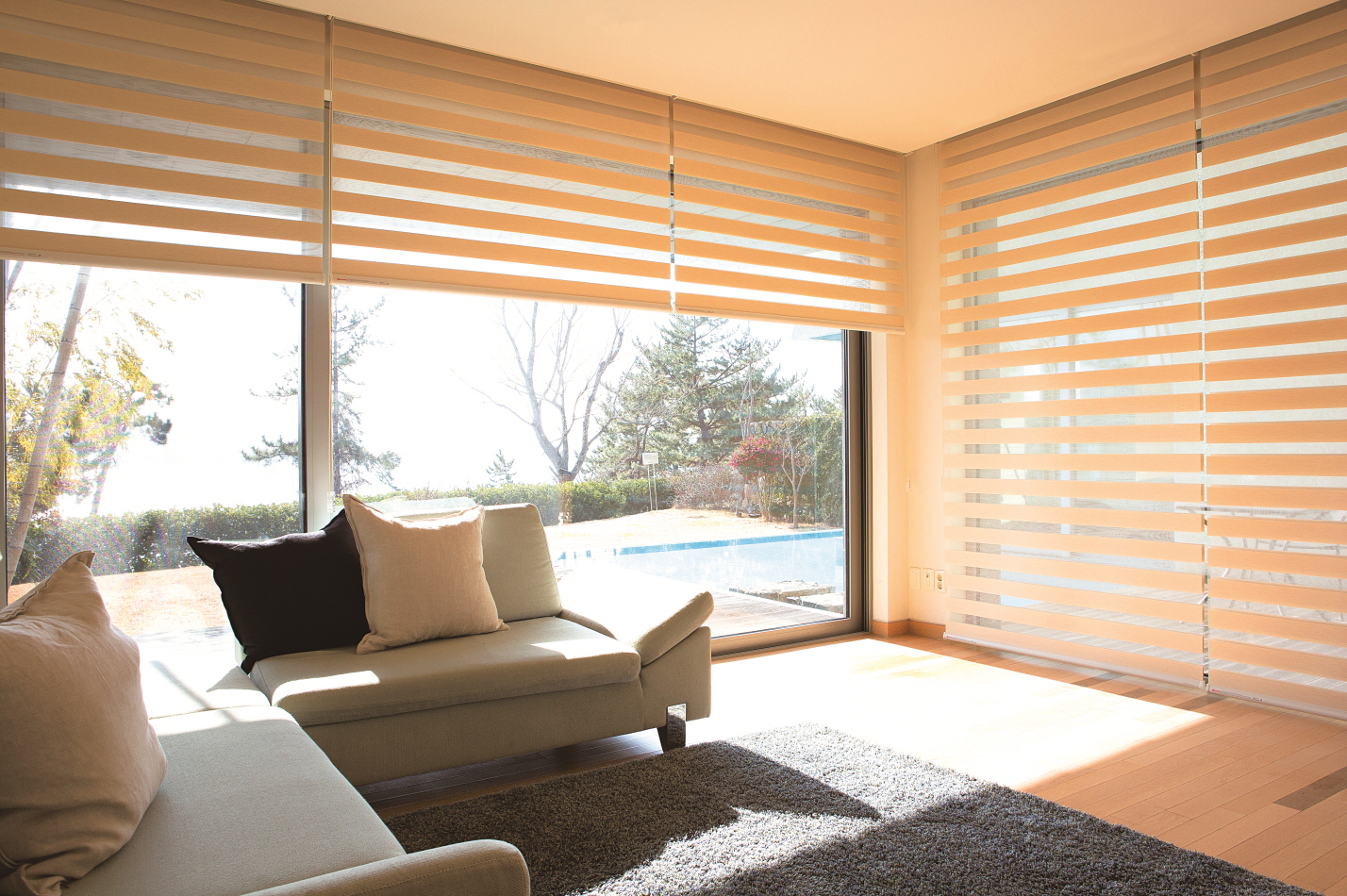
Picture late-afternoon light spilling into a room creating soft stripes of light, alternating between brightness and shadow, with just the right amount of daylight shaping the space. Idyllic, no? That’s the quiet magic of Venetian blinds. They are the strong, silent type of blinds. They can influence the mood of a room without much fuss, in a subtle, statement-making way.
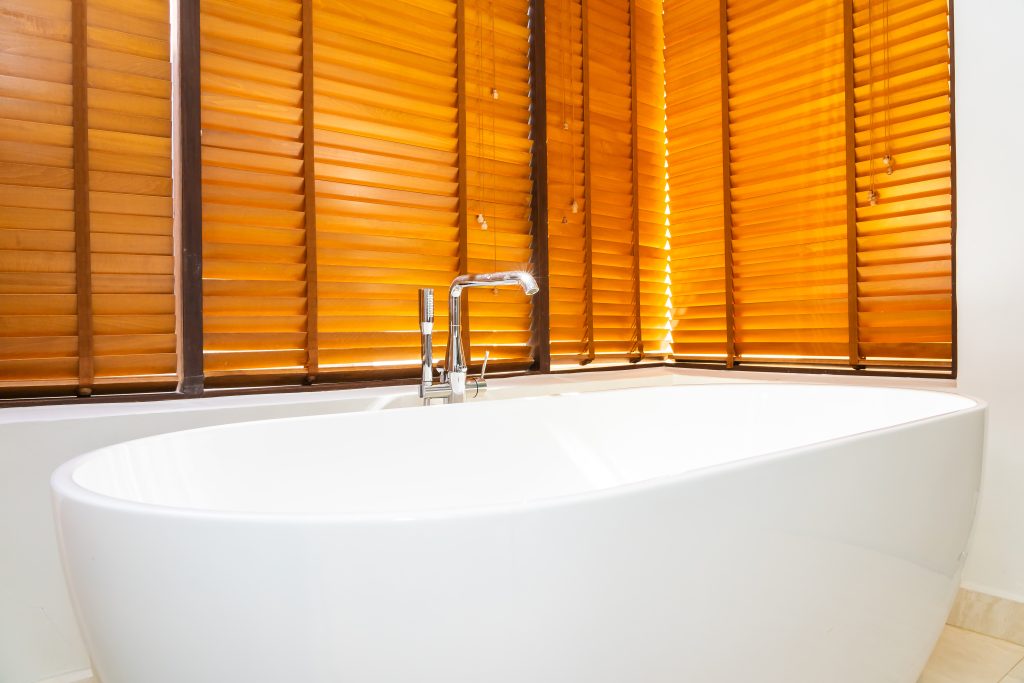
What makes them even more appealing is how effortlessly they merge into different settings. It could be a warm, wood-toned blind for a cosy living room. Or something more sleek and modern for a study. There are moisture-friendly faux-wood finishes for kitchens and even bathrooms where steam and moisture rule mercilessly.
At Adorn, we refine this classic idea with materials and mechanisms built for today’s home. Let’s explore our Venetians – durable, good-looking, and thoughtfully engineered to work with your daily life.
Get to know your Venetian blinds
Venetian blinds have been around far longer than most other modern window treatments, and their design hasn’t really changed much over time. The idea travelled across cultures before becoming popular through Venetian traders—hence the name—and their appeal has held up simply because they’re practical, easy to operate, and last long.
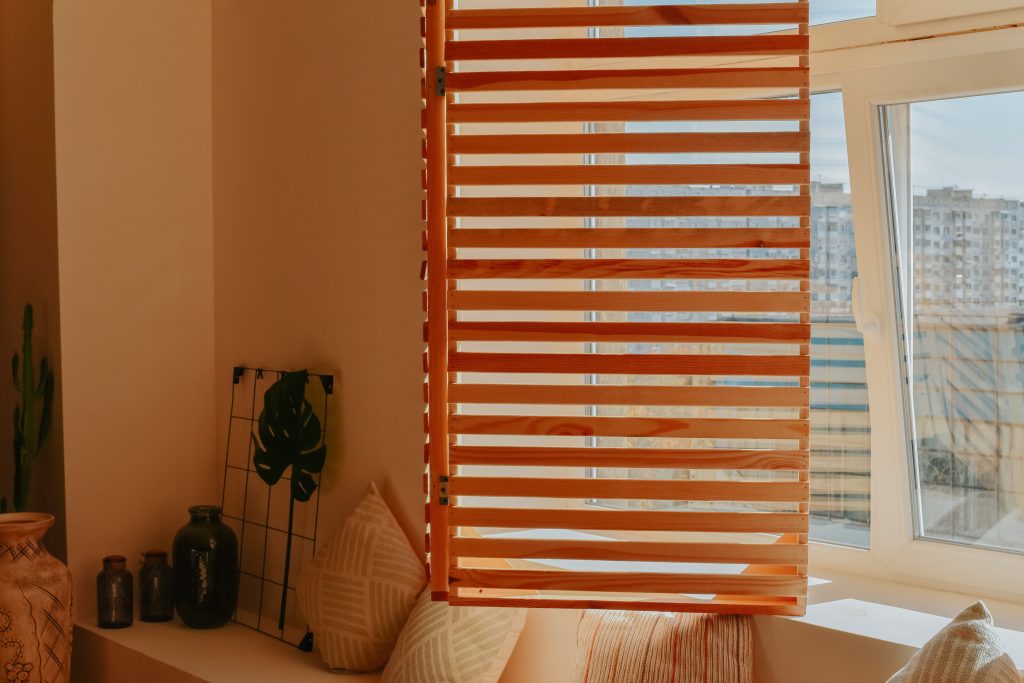
To put it simply, Venetian blinds are a set of horizontal slats that you can tilt or lift depending on how much light or privacy you want. This makes them suitable for all kinds of rooms: living areas that get strong sunlight, bedrooms where you need superior light control, and home offices and study rooms where glare can be a problem.
Here’s a quick look at how they work, without overcomplicating it:
- Slats: These are the horizontal pieces in wood or faux wood that you tilt to adjust the light.
- Ladder cords or ladder tapes: These strings hold the slats together. Tapes also cover the small holes in the slats, which helps with privacy and gives a neater look.
- Headrail: The top casing that holds the main mechanisms.
- Tilt mechanism: Lets you angle the slats up or down to fine-tune brightness and privacy.
- Lift system: Allows the whole blind to go up or down. This can be a cord, a chain, or a motorised option depending on the installation.
Because the parts are simple and the control is intuitive, Venetian blinds work well in spaces where light changes through the day or places where you need privacy without fully blocking the view. They sit cleanly on the window, don’t take much space, and adapt easily to different interior styles. This goes a long way in making them the favourite among blind options.
Types of Venetian blinds
Not all Venetian blinds are the same, and the differences can be found in the material, finish, and how you choose to operate them. At Adorn, the range is designed to fit different rooms and usage needs without complicating the decision-making process.
Most people start by choosing between pure wood and faux wood, because that determines both the look as well as where the blinds can be used.
- Pure Wooden Venetian Blinds: These bring a solid, warm, natural feel to a room. They work well in living rooms, dining spaces, and bedrooms – anywhere really, where you want the windows to look intentional and a bit more refined. The grains and tones of real wood add character, whether you go for the classic walnut wood, or something lighter and more contemporary like pine.
- Faux Wood Venetian Blinds: Made from composite materials, these look similar to wood but are better at handling moisture. They’re the practical choice for kitchens, bathrooms, or any spot where humidity is a concern. They’re also easy to clean and usually more affordable than pure wood.
Other choices that help fine-tune the look:
- With or without ladder tapes: Tapes can either blend in or stand out as a design element. They also cover the punch holes in the slats, which gives a cleaner look and slightly better privacy.
- Finishes and colours: Options range from deep charcoal and smoke grey to teak, white, and distressed textures. This makes it easy to match the blinds to existing furniture or flooring.
And finally, you can decide how you want the blinds to operate:
- Manual operation: A simple cord or chain system that lets you tilt and lift the blinds smoothly. Gear-based mechanisms make even larger blinds manageable.
- Motorised operation: For wider windows or for greater convenience, motorised blinds work through a remote or a mobile app. They offer smoother control and are especially handy in rooms with large or hard-to-reach windows.
These variations make Venetian blinds adaptable to almost any space. You choose the material, the finish, and the operating style, and the blinds do the rest.
Why choose Venetian blinds?
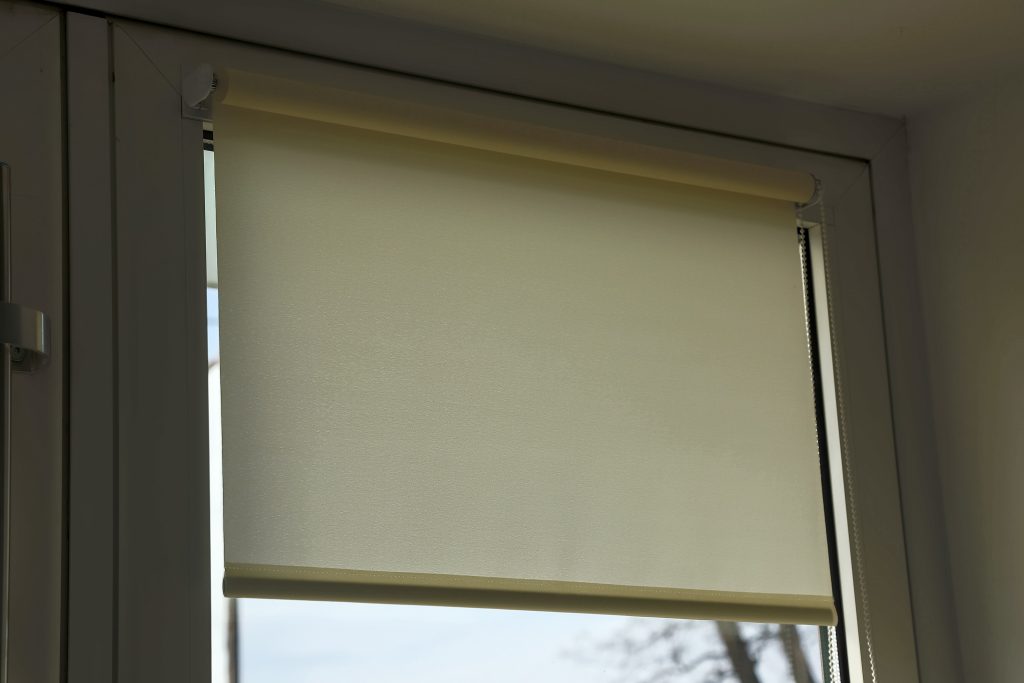
When you want more control over light and privacy than curtains or basic roller blinds can offer, that’s when Venetian blinds come into play. The slats let you fine-tune the amount of light coming in without fully blocking the view, which is especially useful in rooms with varying levels of brightness through the day.
They also fit well in interiors where you’re looking for a more neat and sleek window dressing. Venetian blinds sit close to the window and can be lifted completely to keep the space looking clean and uncluttered.
So why should you pick Venetian blinds?
- If you want better light control: Instead of choosing between open and closed, you can tilt the slats to get soft filtered light or reduce glare. Curtains and roller blinds don’t offer this level of adjustment.
- If you’re looking for flexible privacy: You can angle the slats so the room stays bright while still keeping the interior private, which sheer curtains struggle to do.
- If you want something that works across different environments: Faux wood versions handle humidity well making them a practical choice where fabric blinds or curtains can be affected by moisture.
- If you want a low maintenance option: A quick dusting or a light wipe is usually all they need. This makes them easier to maintain than fabric options which require washing or dry cleaning.
- If you like the cleaner, more structured look: Venetians blinds give windows a sharper profile.
Let’s take a look at how Venetian blinds stack up against other options feature-wise:
| Feature | Venetian | Roller | Cellular | Curtains |
|---|---|---|---|---|
| Light Control | High (Slats tilt) | Medium (up/down only) | Medium-High (diffused) | Low (open/closed) |
| Privacy | Adjustable, precise | High when drawn | High | Moderate |
| Aesthetic Appeal | Elegant, natural finishes | Sleek, minimalist | Modern, clean | Decorative, varied |
| Moisture Resistance | Faux wood options available | Limited | Limited | Poor |
| Maintenance | Easy (dust/wipe) | Easy (wipe) | Easy (vacuum/brush) | High (fabric care) |
| Cost Efficiency | Mid-range | Budget to mid-range | Mid to premium | Higher (fabric + stitching + rod/track cost) |
In short, you should choose Venetian blinds if you’re looking for a balance of practicality and style: smart, low-effort, and adaptable to everyday use.
How do you know if Venetian blinds are right for you?
Most of us don’t go shopping for blinds with a checklist in hand, but you don’t really need one. The easiest way to know if Venetian blinds make sense is to look at how you use the room.
- How does the light behave? If the sun hits the room at awkward angles or if you’re constantly adjusting curtains to reduce the invasive glare, Venetian slats can help with just a slight tilt.
- Do you need privacy during the day? Where you don’t want to shut everything out, but just enough to feel comfortable without sitting in pitch darkness. Venetian blinds let the light in while still keeping the room private.
- What kind of room is it? In kitchens and bathrooms, blinds take a beating from moisture so faux wood is best. It holds up without warping. Living rooms and bedrooms can carry the warmth of real wood.
- How much upkeep are you okay with? Venetian blinds are easier than getting into a heavy maintenance routine. A quick dusting every now and then is generally enough.
- Is the window big, small, or awkwardly placed? Large windows or tall ones often work better with motorisation. Smaller, frequently used windows are fine with regular manual controls.
- Is your décor clean or layered? Some rooms look better with a crisp, structured window line. If that’s your style, Venetian blinds sit neatly without adding bulk.
If you want control without fuss, and a window that looks put-together without feeling heavy, Venetian blinds are usually your safest bet.
Common questions about Venetian blinds
Most people have a few practical questions before deciding on Venetian blinds. Here are the answers in simple terms, without the jargon.
Are Venetian blinds suitable for all window sizes? In most cases, yes. Venetian blinds can be made to fit small windows, wide windows, and almost everything in between. You might need to think differently when it comes to large windows where blinds can get a bit heavy. That’s when dealers often suggest motorised operation, only because it makes daily use easier.
Are Venetian blinds suitable for high-humidity areas like bathrooms and kitchens? They can be, so the trick is choosing the right material. Pure wood looks great but doesn’t love steam or moisture. Faux wood, on the other hand, is built for exactly these conditions. It won’t warp or swell, and it’s easy to wipe clean if you get splashes or cooking fumes.
How do I replace a broken slat on Venetian blinds? You don’t need to replace the whole blind, just the damaged slat. Most systems are designed so individual slats can be removed and swapped out without taking the entire unit down. It’s a quick fix, and if you’re unsure, dealers like Adorn usually help with replacements.
Venetian blinds have stayed relevant for so long because they’re a great solution to many everyday problems. They manage light without blocking it, offer privacy without closing off a room, and sit neatly on the windows without taking over the decor. Between pure wood and moisture-friendly faux wood, and the option of manual or motorised controls, they are suitable for more rooms than most people expect.
If you’re looking for something that’s practical but still adds a bit of finesse to your windows, Venetian blinds usually end up being a strong contender. They work in busy family spaces, focused work corners, and quieter bedrooms alike. And once they’re up, they’re easy to maintain and live with.
When you’re ready to explore the right finish or operation style for your space, the team at Adorn can help you narrow it down and find a setup that feels natural for your home.
Ready to explore Venetian blinds for your home?
Speak to the Adorn team and find the finish, style, and operation that fits your space best.
Also Read: Blinds vs. Curtains: Which One is Right for Your Home?